My favourite books of 2023

I love reading! It’s one of my great joys in life that I feel really

  • nourishes my soul
  • gives me time out
  • helps me escape reality
  • takes me on journeys to new places
  • broadens my understanding of others…………..

In no particular order, here are my favourites from my 2023 reads.

Kazuo Ishiguro – Klara and the Sun
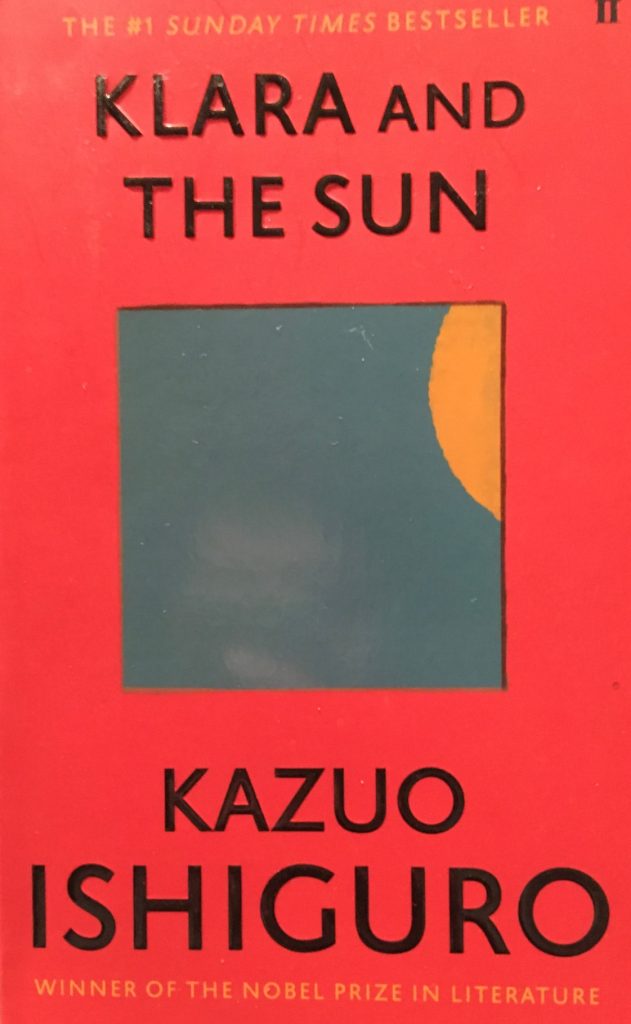
A story told from the unique perspective of a solar-powered AI life-size ‘doll’ designed to be a child’s companion, Klara makes sense of the world the best way she can – and of course develops a more sophisticated knowledge all the time (there’s plenty of the reference to ‘the black oblongs’) that people’s attention is so caught by).

We don’t know any more about the world than Klara knows, so only have glimpses of a dystopian world where children need to undergo modification to obtain success.


Hilary Mantel – Fludd

I started reading this and then said to my partner ‘this is a book we need to read to each other’ – because I knew that otherwise I would keep interrupting him to read bits out.

Set in a grim little moorland village in and around a convent and a presbytery with a host of (mostly) dysfunctional or odd characters, Fludd is dark and funny with a flavour of Stella Gibbons ‘Cold Comfort Farm’.


Michael Rosen – Many Different Kinds of Love
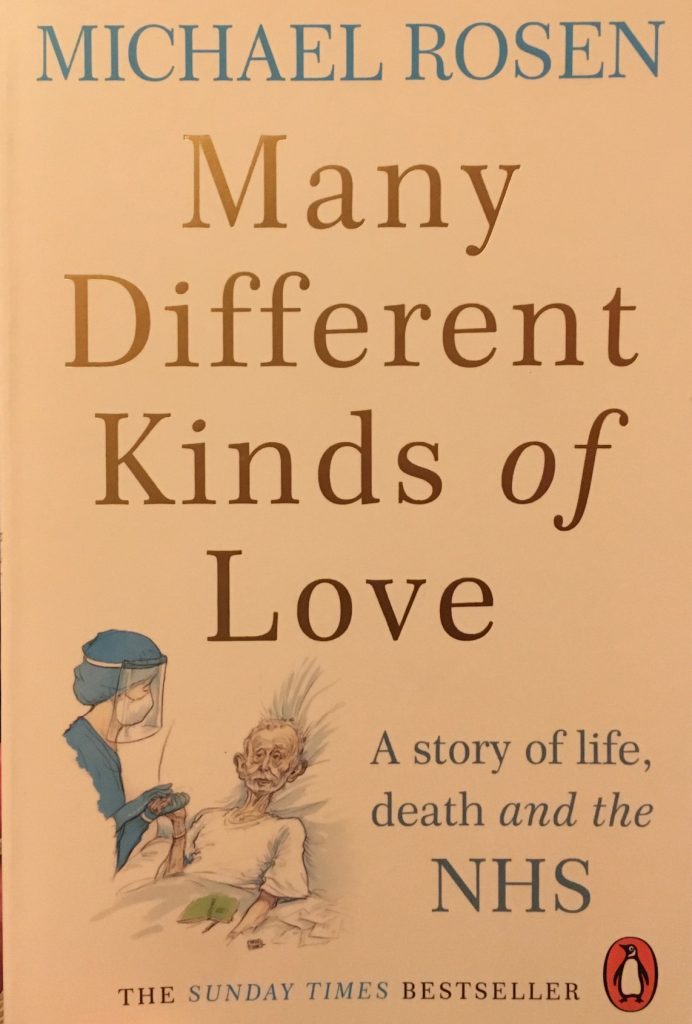
Oh…..my heart is breaking as I just think about this book, a memoir of Michael Rosen’s experience of catching Covid early in the pandemic, and being in intensive care for two months (including being put into an induced coma).

It is a beautifully moving book made up of his prose poems, excerpts from the diary kept by medical staff and emails from his wife to family members. It of course reminds us AGAIN of the incredible, normal  humans who make up the NHS.


Sara Sheridan – Where are the Women?
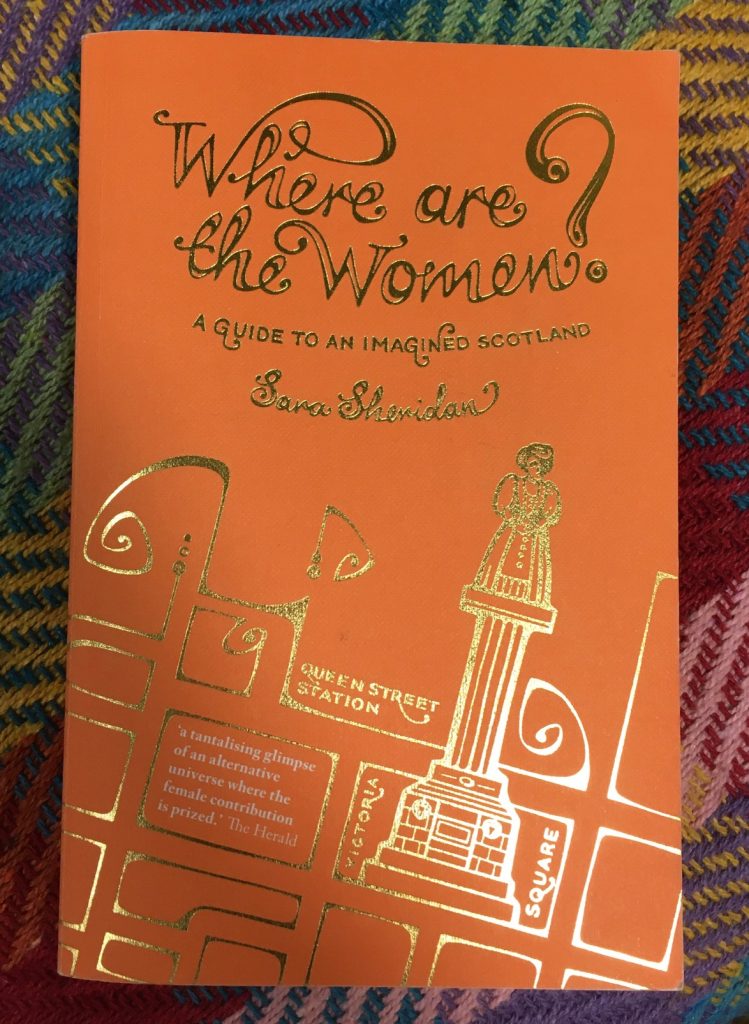
A clever tour guide to an imagined Scotland where women’s contributions to the world are prized, celebrated and memorialised to the same extent as men’s.

The book is broken up into sections for different cities or parts of the countries, and each section includes a description of the building, statue or other monument and a brief history of the (real) woman it celebrates. Some do exist (Lady Stair’s Close, Edinburgh), some have been renamed (Edinburgh castle becomes St Margaret’s Castle), some have new landmarks created for them.

A fantastic and clever route to learning more about some of the really important women in Scottish history.


S R Crockett – The Raiders

If you like a good rip-roaring, swash-buckling historical novel, this could be a book for you. Chosen for our Bookgroup weekend away in Galloway, it’s set between the Solway Coast and the wild Galloway hills and includes smugglers, outlaws and cattle-thieving.

The narrator (a man) doesn’t have a particularly high opinion of himself, and the story features plenty strong intelligent women – even though the book was published in 1893. Most of all I love how the landscape features in this book.

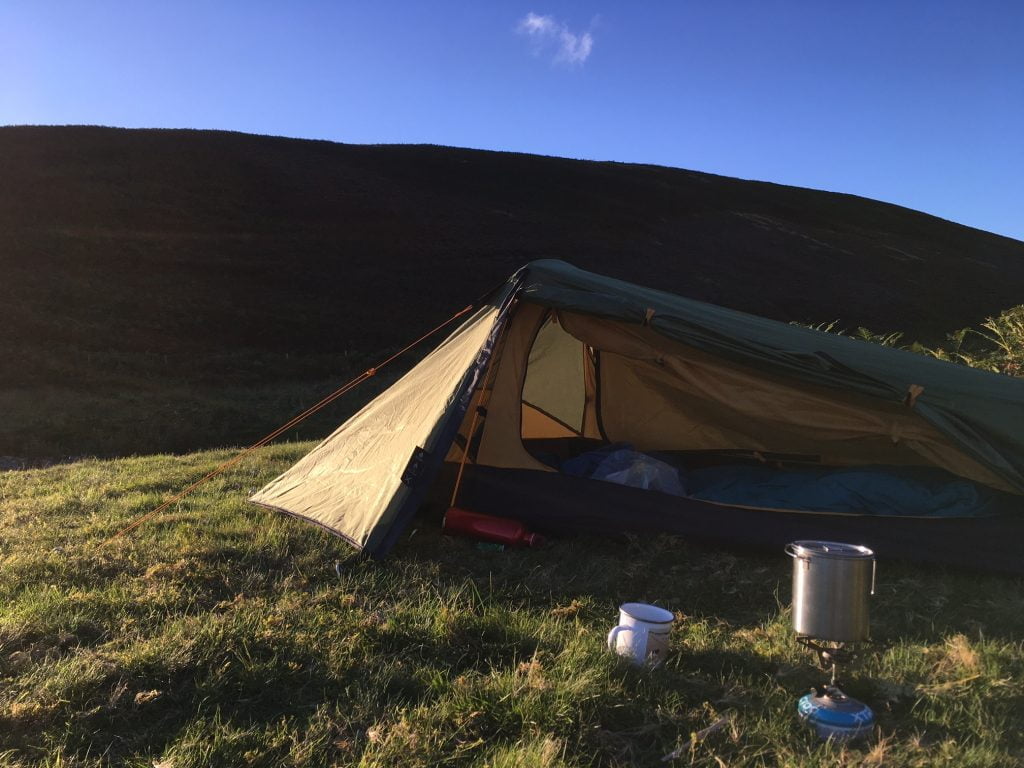
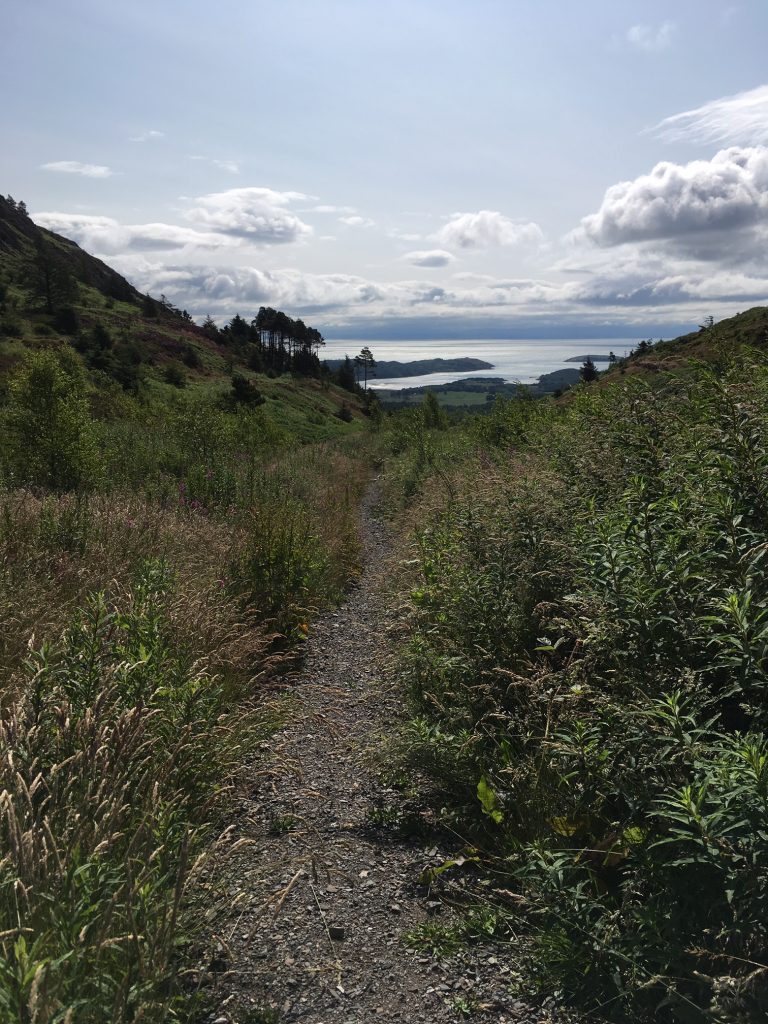
In May I tried to recreate the route that the narrator takes, wild camping en route – but was defeated by the terrain and infamous Galloway bog……


Steve Silberman – Neurotribes
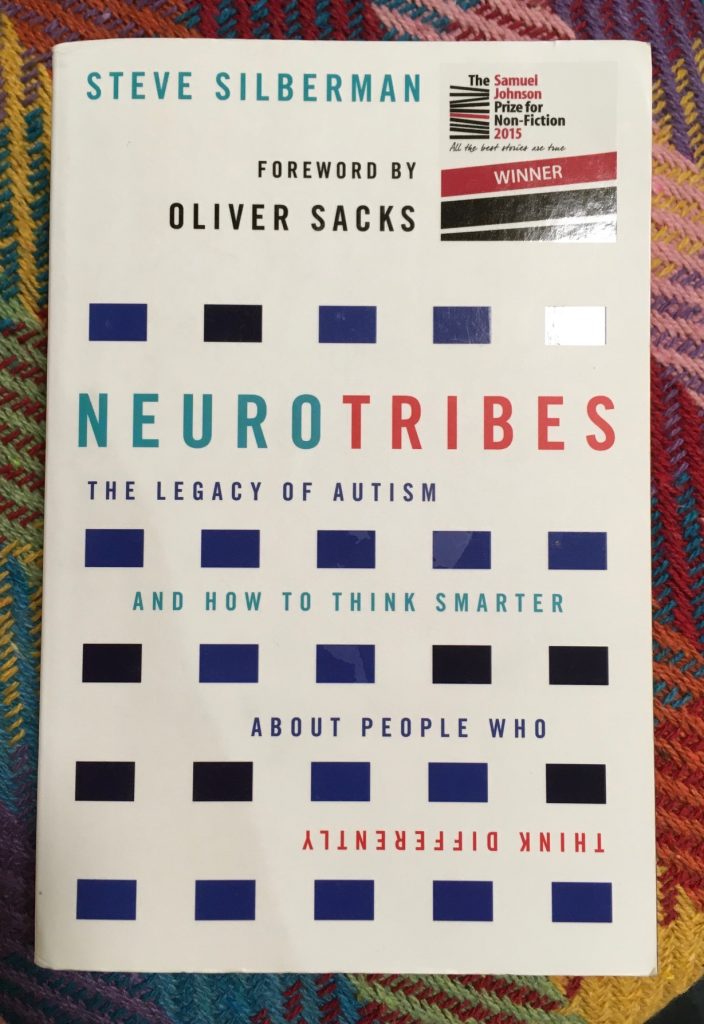
This is a fantastic and fascinating history of the neurodiversity movement; it’s a big book but an engaging and interesting read.

Silberman explores the various attempts to ‘cure’ or treat neurodiversity and how much a neurotypical viewpoint has dominated (surprise surprise), but also looks at the way forward for a society that is more humane, supportive and facilitative towards people who learn and process in all our different ways.


Honoree Fanonne Jeffers – The Love Songs of WEB Du Bois

Amazing, multi-generational epic novel set in Georgia, USA. I had to take a deep breath to embark on this 800-page tome, but found it difficult to put down once I started.

The story moves backwards and forwards in time between the life of Ailey, exploring and discovering her identity and family history, and the many generations of her ancestors, some of whom arrived in bondage from Africa, some indigenous Americans, some white settlers.

A wonderful weaving of stories, some tragic, some triumphant, all gripping.


Cal Flynn – Islands of Abandonment
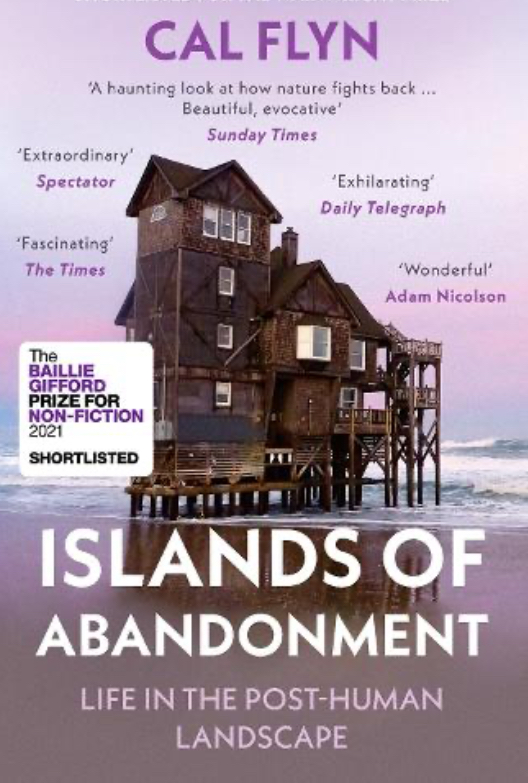
This book is soooooo right up my alley – it’s about abandoned (by humans) spaces that nature has begun to reclaim, moving from Chernobyl’s surroundings, through former war zones, abandoned formerly thriving industrial cities of the US, to a Scottish island roamed by feral cattle left by humans in the 1970s.

As Flynn says “when a place has been altered beyond recognition and all hope seems lost, it might still hold the potential for life of another kind”. Beautifully written, there’s also an audiobook version read by Flynn, who hails from the Scottish Highlands.


Harry Josephine Giles – Deep Wheel Orcadia

This is like no other book I’ve read EVER, never mind this year.

It’s a sci-fi novel, about finding home, set on a space station – written in verse, in Orcadian (the Orkney dialect). It has a parallel translation into English to help those of us who aren’t familiar with Orcadian dialect words.

Sounds demanding? Give it a go – it’s entertaining as a well as a mind-stretch.


Betsy Whyte – The Yellow on the Broom
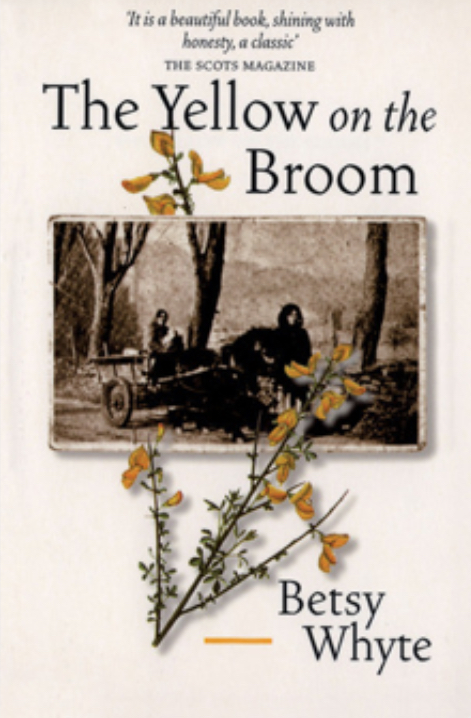
This was a recommendation from someone responding to a Facebook post I made about the persecution of Travellers in Scotland (which included attempts to ‘educate children out of their nomadic ways’ in the twentieth century).

It’s a wonderful autobiography of Whyte’s childhood as a traveller in Scotland in the 1920s/30s. As well as being a great first-person insight into the life and customs of travellers at that time, it’s also a fascinating snapshot of wider society during that time, including how other people viewed travellers.


Aldous Huxley – Brave New World

I’m not sure how I’ve only just read this 20th century classic for the first time. It’s set in a dystopian future where emotions and individuality are conditioned out of people at a young age, and embryos are engineered to develop in such a way that they fulfil different classes in society from ‘Alphas’ (the leaders, intellectuals) to ‘Epsilons’ (the labourers).

I found it really interesting to read this book almost 100 years after it was written, noticing the echoes of the idea that things can be engineered to make us happy in our consumer-focused society today – ‘distract yourself from your natural feelings by buying happiness’.

Britannica.com says ‘Much of the anxiety that drives Brave New World can be traced to a widespread belief in the 1920s in technology as a futuristic remedy for problems caused by disease and war’….. unnervingly reminiscent of the way many people today cling to the desperate hope that technology will somehow rescue us from environmental collapse.


Janey Godley – Handstands in the Dark
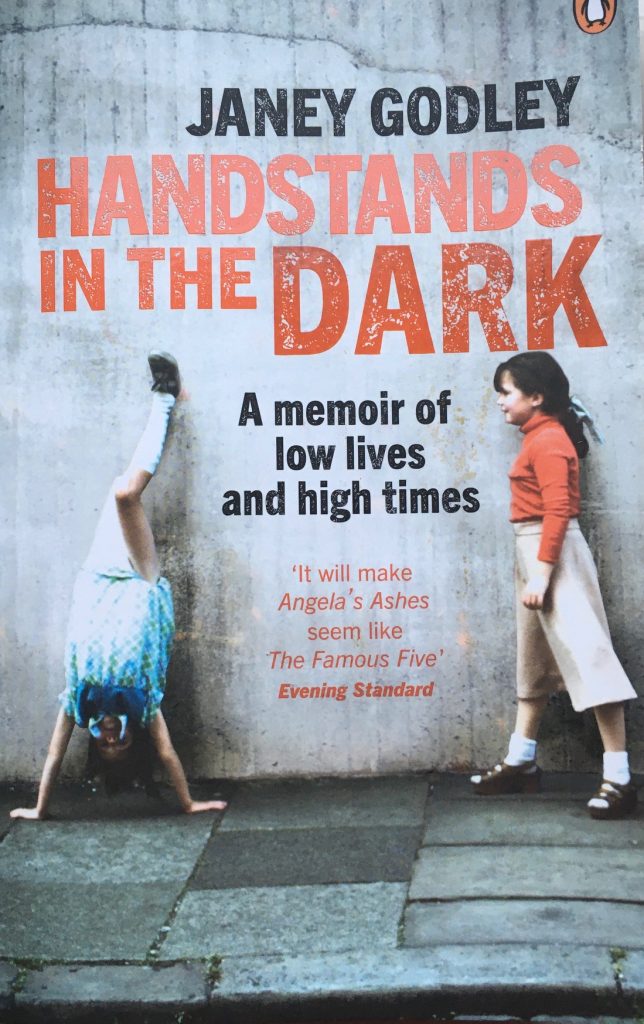
Janey Godley first won a place in my heart in 2018 when I saw the wonderful photograph of her protesting at Donald Trump’s golf course with a placard reading ‘Trump is a cunt’.

She then made it to National Treasure status during the pandemic with her hilarious yet informative voiceovers of Nicola Sturgeon’s daily public Covid briefings (which Sturgeon herself appreciated). 

I bought this, the first volume of her autobiography earlier in the year when I went to see her ‘Not dead yet’ show. It’s dry, funny and heartbreaking. While not an ‘easy read’ because of the trauma and tragedy it covers (shooting up in the room where your relative’s coffin is laid out, anyone?), it’s gripping and entertaining too.


Amy Liptrot – The Outrun
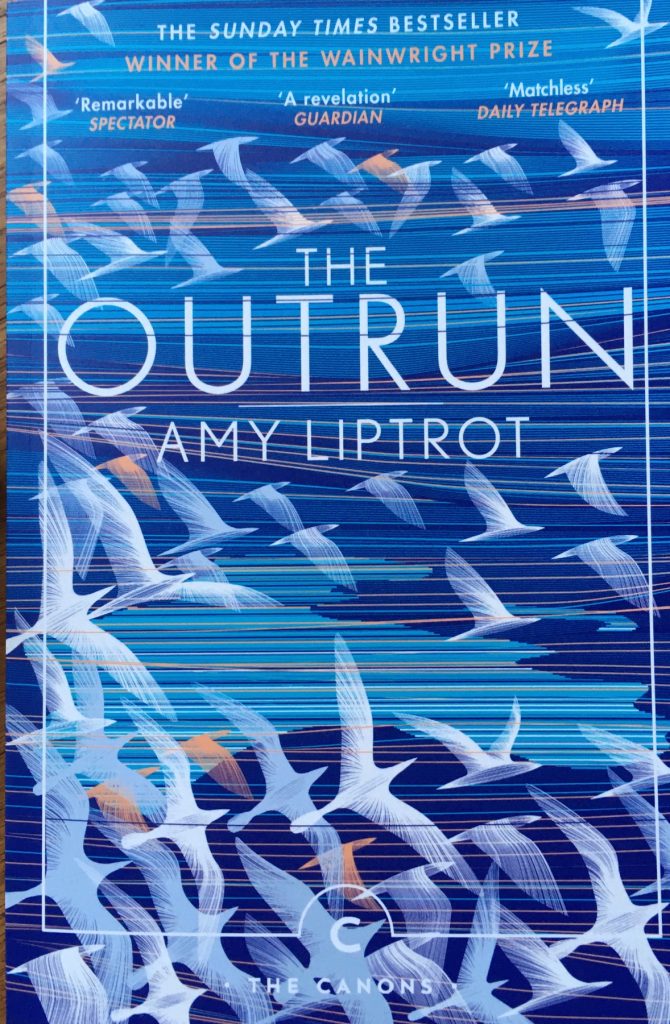
Another recommendation via Facebook – and another autobiography. Amy Liptrot was born in Orkney and escaped from a complicated family situation to the bright lights of London. After reaching rock bottom in her struggles with alcohol addiction, she returns to Orkney to try and recover, ultimately retreating to Papa Westray – “Britain is an island off Europe, Orkney is an island off Britain, Westray is an island off Orkney, Papay is an island off Westray…”

These are the bare bones of the story but don’t capture the beautiful writing of the book, the way she captures both the descent into alcoholic hell, and the wild and bleak Orkney winter. She is brutally honest and exposing of her pain and struggles.


Ali Smith – Seasonal Quartet
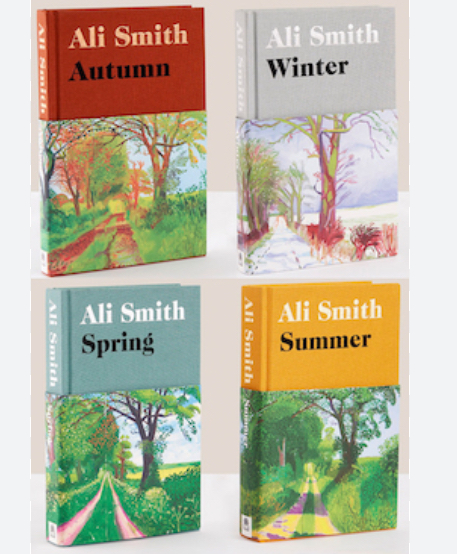
Is it cheating to have four books as one choice? Ali Smith had the idea to write a sequence of books, each dealing with a season, written as quickly as possible, and published as quickly as possible, to be as comtemporaneous as possible.

The book covers (which feature the same view painted by David Hockney during different seasons) were designed before the first manuscript had even been completed (see Ali Smith’s Seasonal Quartet: an oral history (penguin.co.uk) )

It just so happened that the period over which she was writing the books took in Brexit, the ramping up of anti-immigrant rhetoric, the Grenfell Tower tragedy, the Covid pandemic and the increased awareness of the Black Lives Matter movement. They tell separate stories but are also inter-connected. As I read each one, there would be at least one point where I would say aloud ‘what the hell is going on?’ but I never wanted to stop reading. They’re written with a really light touch and were a particular welcome change whenever I’d finished a book that was rather intense or heavy.


Dr Devon Price – Unmasking Autism (The power of embracing our hidden neurodiversity)
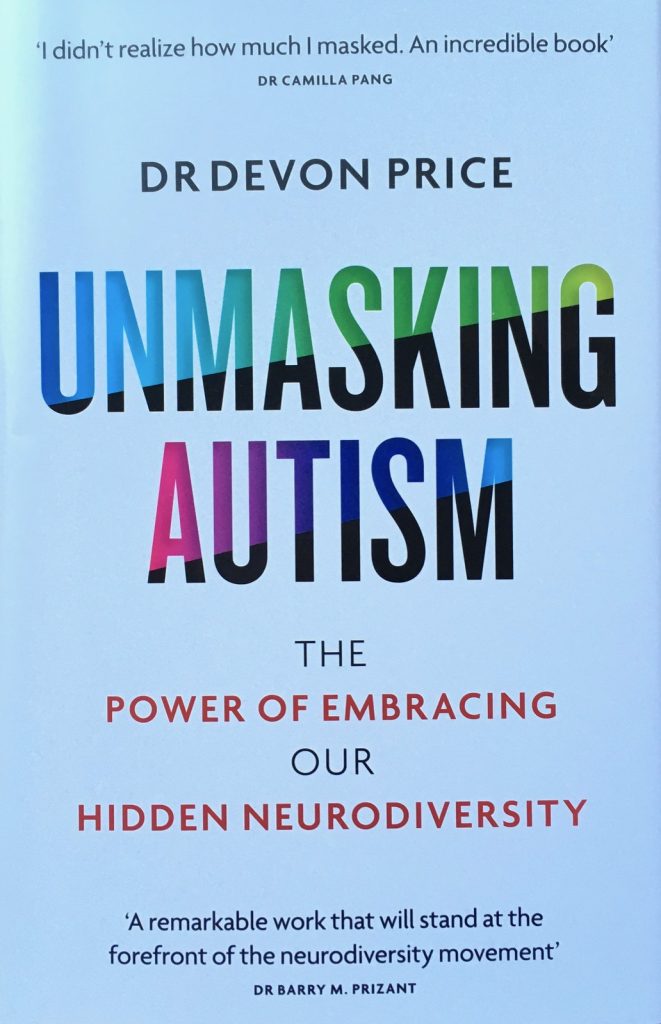
Just brilliant. I’ve recommended this to a number of clients. It’s also a great read for any allistics (neurotypicals) wanting to better understand the autistic experience, or for anyone who feels that they have to hide aspects of themselves – for whatever reason – to be safe or accepted in society.

Dr Price has written a super-accessible book that includes up to date research and personal insights, examining the phenomenon of masking. It’s a passionate rallying cry for the right to be authentic and to resist conformity, and for a society where everyone can be themselves and be allowed to thrive.

And it’s just a really good read.


Lisa Allen-Agostini – The Bread the Devil Knead
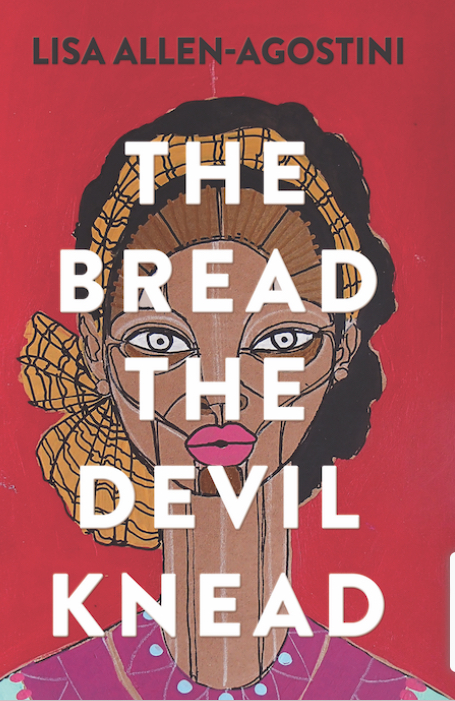
I was in the library one day and my partner dropped this in my hands and said ‘this looks like your sort of book’.

It was shortlisted for the Women’s Prize for Fiction in 2022. It’s a fast-paced, gripping read with a great central character – a 40-yr-old woman who manages a boutique in Port of Spain (Trinidad). She doesn’t fit the typical image of a feminist but absolutely is her own woman (hurrah for pulling down stereotypes!).

Be warned – it tackles domestic abuse, rape and racism in an unsparing, matter-of-fact way. One thing I loved about it was the Trinidadian creole voice that it’s written in, which I hadn’t encountered before – although easy to read, I really enjoyed that there were some words I didn’t know and (if I couldn’t figure it out) I just had to accept that!


Jenni Fagan – The Panopticon
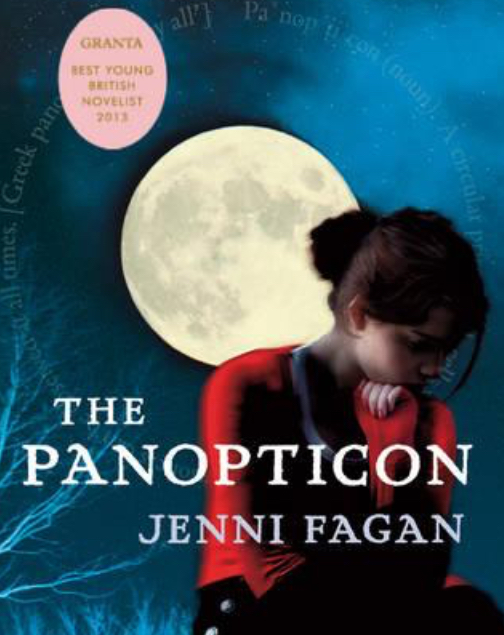
Like ‘The Bread the Devil Knead’, the central character in ‘The Panopticon’ is a unique, unusual (to me) voice. Panopticons were prisons designed to provide constant visibility of all inmates. The one in this book is an institute for adolescent offenders somewhere in central Scotland. The narrator is 15-year-old Anais, who has already had to deal with an awful lot of shit in her short life, including the death of the one foster-mother who she seems to have formed a bond with.

Jenni Fagan herself grew up in local authority care in Scotland, having 29 different placements in her first 16 years before living in homeless accommodation. Her experience may well contribute to Anais’s believable voice.

Anais is in no way a victim; instead she’s a fierce, tough survivor who simply won’t let you pity her. I couldn’t help feeling sorry that she’d had so little love in her life. An amazing, tragic, read.


Frances Quinn – That Bonesetter Woman

A random pick off the library shelf; I was attracted by the odd title.

The woman in question, Endurance Proudfoot, is based on a real woman who became a bonesetter in Georgian England. Endurance is clumsy, strong and plain-spoken. Even thought her bonesetter father believes it’s not a job for a woman, she’s determined, and eventually makes her way to the career that she wants.

Needless to say, an independent woman isn’t given an easy time of it in the man’s world of 18th century London. Endurance needs every ounce of courage and strength she has. A real page-turner with some fantastic characters.


Daisy Johnson – Fen

I don’t know if you’ve read any Daisy Johnson, but she is hands-down the most watery writer I’ve come across.

I gradually realised, as I was partway through this collection of short stories set in the Fens, that I’d read another book of hers. ‘Everything Under’, which is set partly on a canal boat, has a similarly muddy, watery feel to it. My list of books read has a note in brackets after ‘Fen’ that says ‘eerie, bonkers’.

Many of the (human) characters in the stories seem to have something of the flooded fens in their nature. It’s as if they haven’t long emerged from the wetlands themselves. There are strains of myth and folklore that weave through the tales – an uncanny and mysterious gathering of stories.


Natasha Pulley – The Bedlam Stacks
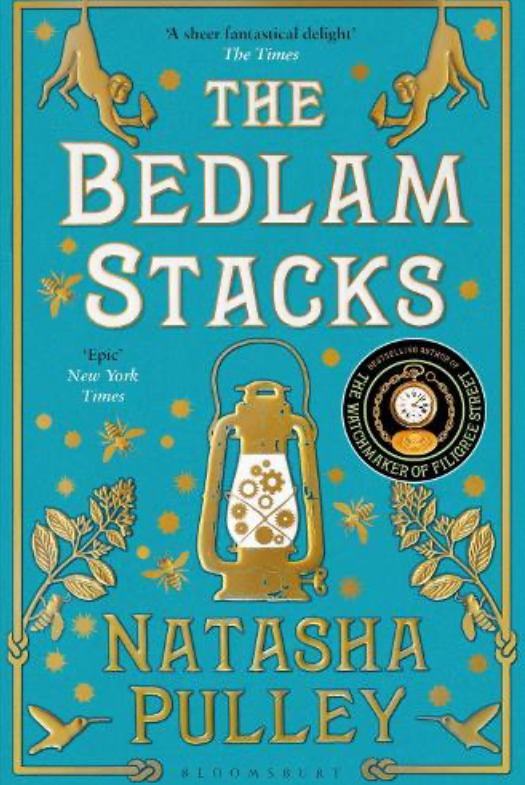
I bloody love Natasha Pulley. I mean, my first introduction to her included a clockwork octopus in ‘The Watchmaker of Filigree Street’ – what’s not to like?

This book, also set in the late 1800s, is similarly wistful, quirky, full of adventure and with a host of fascinating inhabitants. The main character is recruited by the India Office to search out a source of quinine in Peru. In the process he discovers an almost-impossible village at the edge of the Amazon, a mysterious priest, and various characters who are woven around with myth and magical qualities.

Infused with love and melancholy, this is a perfect read to lose yourself in over a long, dark, midwinter weekend.


If you’ve enjoyed reading about this (pretty much uncurated, random) collection of books you might like to check out my 2022 favourite book list here, and my blog about how reading books can make your life better.
Staying connected to the world around you

How do we remind ourselves that we’re part of the interconnectedness of everything?

I’ve been ‘inviting people into my garden’ through Facebook for nearly four years, since the beginning of the Covid pandemic, when travel and activity was restricted. I was acutely aware that some people didn’t have their own gardens or even balconies, and I shared my green space to give people ‘virtual access’ to nature.

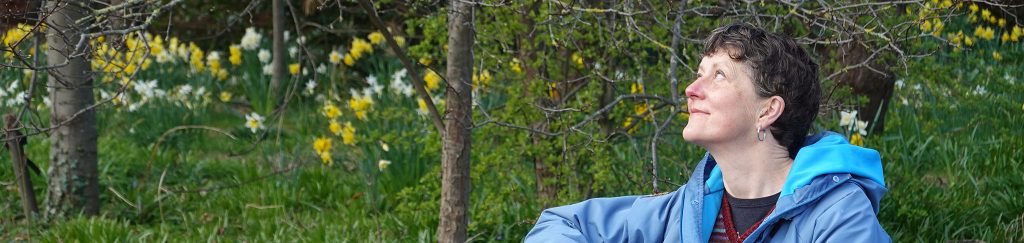
Lucy Hyde therapist sitting amongst some trees

It’s been valuable for me to connect to others by connecting to the natural world. At times, when life is busy, the gentle pressure to check what’s happening in the garden has reminded me to spend even a few moments noticing the changes and new arrivals. It’s encouraged me to bring my attention to the tiniest flowers, the weeds, the creatures that make their life in my garden.

Humans are part of the ecosystem

Something in me has evolved over the last few years, and I realise that I’ve changed the way I think of humans interacting with nature. The separation I used to see between ‘the human world’ and ‘the natural world’ feels more and more artificial, a symptom of the development of modern (industrial/post-industrial) society.

This synthetic distinction between humans and nature has encouraged humans to prioritise their own wants and needs without consideration for the impact on the world as a whole, and is a significant contributor towards the current climate and environmental tragedy.

Humans are part of the global ecosystem too. Looked at on a geological scale, humans were an extremely successful species for a long time at surviving and thriving. However, if we continue as we do we will suffer a huge population crash – possibly functional extinction. Nonetheless in a few millennia the planet will adjust and adapt to a new climatic system, and life (with or without humans) will continue. Taking this wide-angle view sometimes helps me accept that humans are just part of the natural cycle of life on the planet.

A one-world view

I joined a choir a few months ago, and one of the songs that I’ve learned is ‘Mni Wičoni (Water is Life), which was written by Sara Thomsen, inspired by the Standing Rock Sioux Tribe and all the tribes, nations, native and non-native people who came together to protect the land and water threatened by the construction of the Dakota Access Pipeline (you can hear the song here ).

One of the Lakota phrases in the song is ‘Mitákuye Oyás’iŋ’. The closest translation, in English, is ‘all my relations’ – but ‘relations’ in the sense of other people, animals, insects, plants, rocks, mountains, rivers……..this one-world-view of ‘all my relations’ really resonated for me, and continues to touch me every time I sing the song. 

Disconnection as a defence

The disconnection that many of us maintain from the rest of the world encourages us to see bugs and beasties as ‘pests’, to vacuum up spiders (that would thrive, if we allowed them to, by eating the flies that annoy us). It prompts us to see nature as ‘inconvenient’ when moss grows on our plastic grass and concrete driveways. But it also enables us to ignore the pain and sorrow we experience if we really allow ourselves to notice how the numbers of swifts arriving each summer has plunged, how there aren’t as many ladybirds around from year to year, how seeing a hedgehog in our garden is a vanishing rarity.

Small reminders of the world around us can help us stay connected – connected to other people, connected to ‘all our relations’, connected to our own experience. Staying connected is essential if we want to make changes in ourselves and in our societies – together we are stronger and more resilient, and have a better chance of making life possible and tolerable for everyone, not just a privileged minority of humans. Finding ways to connect reduces the fear-based ‘us and them’ which prompts us to blame others for the wrongs in the world and stops us hearing that those people are afraid too.

Connecting in grief

finding your home Lucy Hyde online therapist

Staying connected to the world we inhabit inevitably involves grieving (e.g. in my case, when hundreds of thousands of scallops were washed up onto the shores near me by Storm Babet, to perish above the waterline). Grief, anger and sadness are appropriate, natural responses to tragedy, and by allowing ourselves to feel them we learn that we can tolerate them and carry on. Grief can bring people together.

Yet there can be a temptation to avoid strong or difficult feelings by numbing or distracting ourselves through forms that are harmful to us and the world (escaping on a flight, buying things without considering whether, honestly, we need them, over-eating or drinking). Most of us do this in some way, at some point – because staying with the discomfort can be really hard.

Many of us are expert at compartmentalising, which causes us to miss the relationships between things, for example, the influence of mind on body and vice versa. Just as we are healthier creatures if we allow our bodies and minds to be part of the same organism – enabling us to be more in tune with our needs – so we might be healthier creatures if we allow ourselves to be part of a community of humankind and of the world as a whole, bringing us in tune with the holistic, planetary need for health.

Noticing what’s around you

Paying attention to the seasonal changes and to older traditions of marking shifts through the year is a way I’ve found to be more in touch with what’s going on around me, and also to the impact of such changes on me – which includes allowing myself to feel affected by gloomy days, for example.

So, while I’ll be continuing to invite people into my garden, I’ll be thinking of this less as a retreat or withdrawal to nature, and more as an invitation to be present with what’s around you, wherever you are.  I’m not offering hope that ‘everything will be OK’, so much as an opportunity to be real and present, acknowledging what IS. Staying connected is a way of supporting each other in our collective grief.

Nature isn’t just ‘out there in the wilderness’. It’s in the daisy growing between the paving slabs. It’s in the spider in the corner of your ceiling. It’s in you.

If you’re experiencing anxiety, grief and distress in reaction to the impact of capitalism, greed and fear on the planet – no wonder; your response is normal and healthy.  But if your feelings are overwhelming and seem unbearable, please get in touch – I can help. 

Further reading:

Wild Therapy: Rewilding our inner and outer worlds by Nick Totton

Holding the Hope: Reviving psychological and spiritual agency in the face of climate change ed. Linda Aspey, Catherine Jackson, Diane Parker

Have I got SAD – or do I need to slow down?

What is Seasonal Affective Disorder – and do you have it?

How do you feel when the days start getting shorter? Do you experience a building dread of dark mornings, where you struggle to drag yourself out of bed? Do you look forward to being able to coorie in under a blanket when it’s gloomy outside? Or perhaps it’s not the lack of light that you find difficult, but the weather – not being able to soak up the sun like a solar panel prompts anxiety that your battery is going to run low.

Seasonal Affective Disorder – what does it mean?

SAD (Seasonal Affective Disorder) is a term used for feeling depressed, low in motivation and lacking in energy at certain times of the year. ‘Winter-pattern SAD’ is when people begin to experience symptoms in autumn and through winter, but some people also experience mood changes (anxiety, agitation) in spring and summer – ‘summer-pattern SAD’ – although this is less common.

The jury is still out on what exactly causes SAD – there are a number of factors indicated, including melatonin levels and vitamin D. People with a family history of depression are more likely to experience it. For some people, these changes in mood can be really debilitating, meaning that they experience severe symptoms of depression for almost half the year, so it can have a huge impact on their enjoyment of life.

Trees at the edge of water with mountains behind

Being human in the world

I’m absolutely not denying the reality of people’s experiences, or to suggest that you shouldn’t seek support for managing symptoms of depression, fatigue and social avoidance or anxiety. But for most of us, when we notice some changes in how we feel at different times of year, I wonder how helpful it really is to casually adopt a ‘disorder’ label.

I also wonder how much SAD is a product of a modern society that has evolved to a point where we need to ignore our bodies’ natural tendencies, in order to see ourselves as ‘operating productively’. The period where industrial and post-industrial society developed is the blink of an eye when compared to the timescale over which human animals evolve, and perhaps our bodies are struggling to catch up with the expectations of capitalism. Doing more than we have energy or capacity for (whatever the reason) ultimately leads to burnout and exhaustion – often manifesting as depression or anxiety.

The urge to see ourselves as somehow ‘other’ from the natural world has contributed to an inability to truly acknowledge the destructive impact humans have had on the world as a whole. Life as humans have come to live it in the 20th and 21st centuries has encouraged us to suppress our natural responses to the changes in the world around us – including regular, seasonal changes – to the extent that when we notice that we’re feeling differently, we try and make it ‘wrong’.

‘Disorder’ or natural response?

Following this line of thought, I wonder if there is a healthier, more compassionate approach to changes in mood and energy levels related to the shift into autumn and winter. Rather than asking ourselves ‘how can I feel more like I do in the summer?’ perhaps we can ask instead:

  • How can I be more understanding of my changes in mood or energy?
  • Where can I look for opportunities to live in the way that my whole self needs?
  • What do I need in order to take care of myself so that I can be ‘well enough’ in the world as it currently is?

Let’s explore these questions a little bit more.

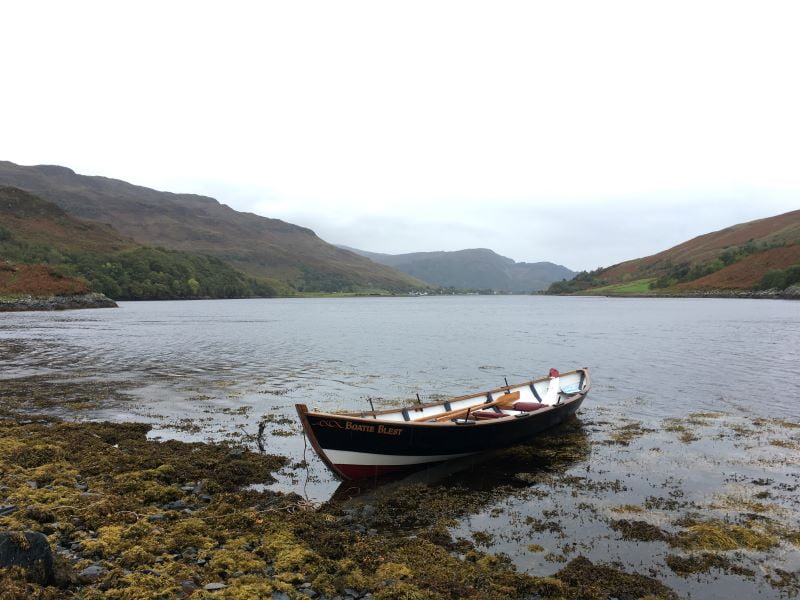
rowing boat at the edge of sea with mountains behind

Bringing a compassionate understanding to our responses to seasonal change

The phrase ‘the natural world’ tends to be used to denote something separate from humans, and all human-created things. But human beings are animals, and it doesn’t serve us well to think that we don’t have the same basic needs as other mammals – eating, resting, mating, etc. We are still part of an ecosystem, although we collectively tend to try and distance ourselves from the rest of the world in an attempt to avoid the pain of acknowledging our destructive behaviours towards it.

In the Global North, until only a few hundred years ago, humans lived in a way that was much more responsive to the seasons. Our survival depended on us having a closer relationship with the land that fed us. Of necessity we needed to be much more active at certain times of year to produce, gather and store the food that would keep us going through the months of scarcity. While humans didn’t hibernate like some creatures (that are able to slow their body rates down in winter), the pace of life would have been slower over darker, winter months, where there was less to do on the land. Depending on food stores, there might be less food to provide energy for activity. I have a friend who works in a physical, seasonal job, who refers to the depths of winter as ‘plumping-up season’.

I also wonder how much we allow ourselves to live with the fluctuating energy levels that develop as part of the ageing process. Our bodies evolved to fulfil different roles at different life stages, and historically women wouldn’t expect to live for decades after our ability to procreate ceased. I’ve noticed that post-menopause, I tend to naturally want to be less active in the winter months. It’s difficult to know how much of this is connected to the changes in my body and energy levels, and how much is because I have learned to better tune into my body’s needs rather than overruling them.

Would you describe yourself with the words ‘I like to keep busy’? If so – have you ever thought about what that ‘liking’ is about? Many of us use busyness or activity as a coping mechanism – it distracts us and helps us avoid feelings. If we’re not being active we may start to feel anxious, and attach this anxiety to a ‘problem’ that we can then get busy trying to fix. If this rings true for you, then any natural slowing-down tendencies you may experience during winter months might feel a bit scary, because allowing yourself more space brings the potential for anxiety.

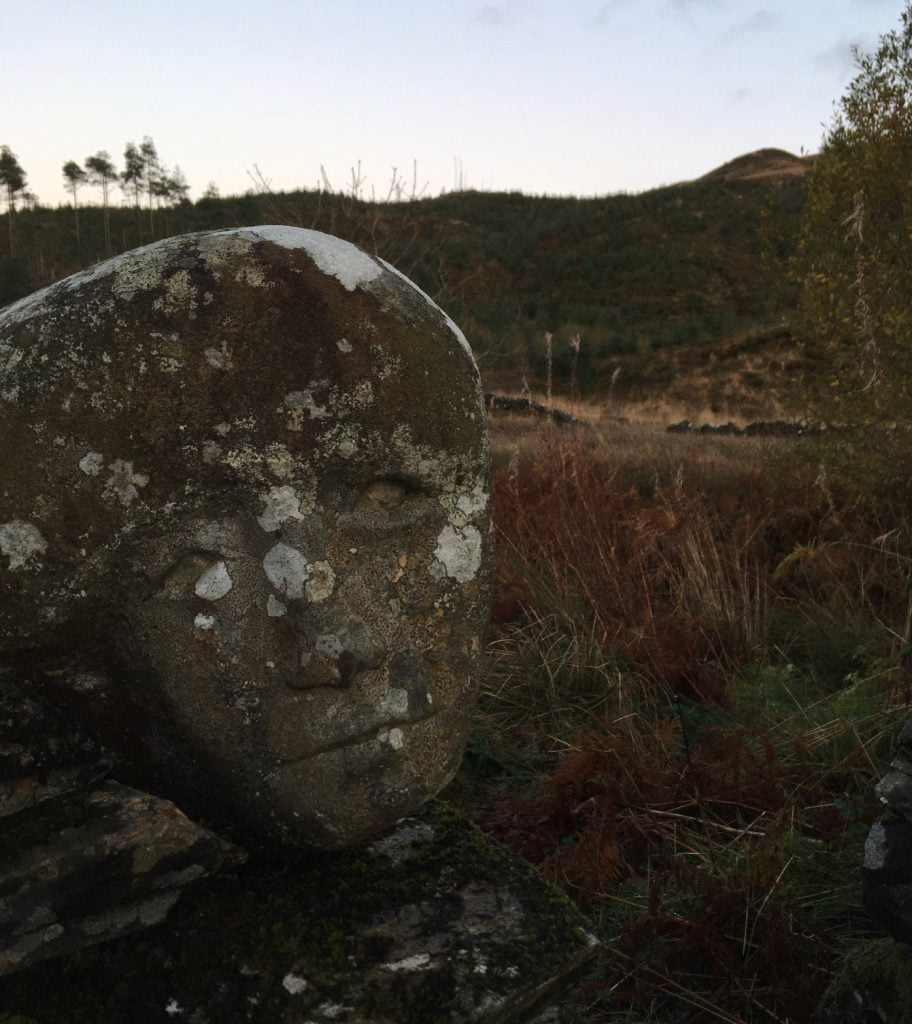
carved stone face in front of hills

Living in the way that our bodies need

I’m fortunate to have moved myself to a career that allows me some freedom to dictate my working pattern through self-employment. In recent years I’ve come to realise that I have less energy towards the end of the year. I need to bear in mind, when planning ahead, that setting myself goals for the last quarter is unhelpful – I don’t achieve them and I end up feeling I’ve failed or ‘not tried hard enough’. I can structure my appointments so that most days I can squeeze in a quick dip in the sea, which particularly works for me in the winter as it gives me an intense burst of ‘outsideness’ when I may not feel motivated to go for a long walk.

Not everyone can dictate their working pattern or life to this extent; even if you recognise that your body would prefer you to have a different structure to your day, this may not be possible due to the requirements of your job or employer. However, most people have at least some autonomy to tweak aspects of day to day life – if they can allow themselves to recognise the value of prioritising their needs.

Ask yourself whether you really want to be more active or energetic in winter. Is that about your needs, or does it have the words ‘I should’ attached to it? Is it influenced by what you imagine others think or do; have you been affected by what you perceive as societal norms, or the ‘living my best life’ impact of social media? Most of us are influenced by these factors to some extent, even if we like to tell ourselves ‘I don’t care what others think’.

Modern society as lived in many countries is focused on productivity to a degree that is unhealthy for the planet and for us, creating a myth that economic growth is desirable and feeding fears of scarcity. It benefits the world when we do less, as well as allowing us to recover – and to save money. If you feel the urge to shop to ‘cheer yourself up’, try pausing for a moment and checking in with your inner self what need you might be trying to meet. How you might turn towards that part of you with kindness rather than trying to distract yourself from it by looking for external stimulation.

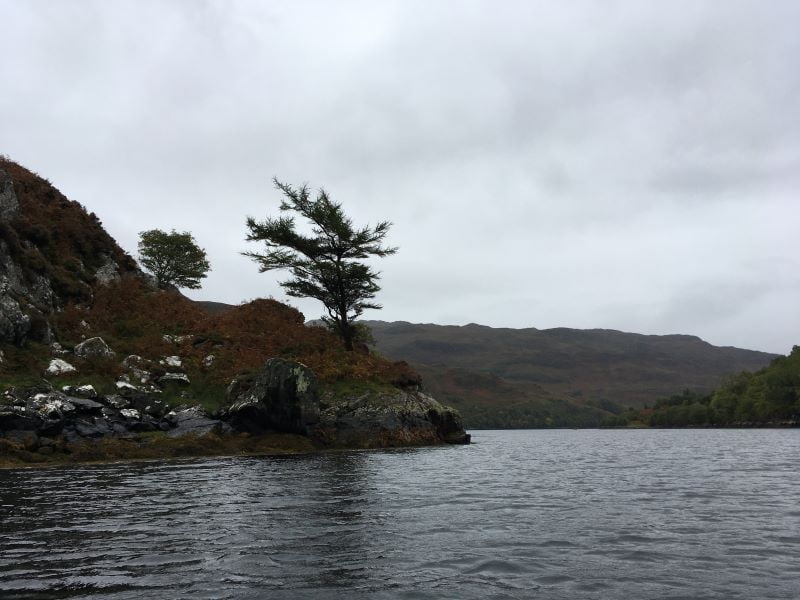
Wind-blown pine tree at the edge of sea

Taking care of ourselves ‘well enough’

We’re living, breathing creatures and how we feel changes depending on what’s going on around us, and the events and stresses that we’re subject to in our lives. That includes weather, daylight hours, temperature. Telling ourselves that we can carry on operating at the same capacity whatever happens around us, and to us, is a denial of reality and longer term isn’t good for us.

However, in order to carrying on living in society it’s necessary to accept that the modern world isn’t currently responsive to the needs of most of the world’s inhabitants (of all species). My ‘perfect world’ might not be the one I currently live in, and it’s important to recognise that, and allow myself to feel the grief of it, but I also have to find a balance that is ‘good enough’ for me to keep living in the world as it is.

I think of this as a little bit like the experience of being autistic in a world where the neurotypical experience is privileged. Autistic people shouldn’t have to do all the work to adapt to a society that often doesn’t work for them, but until society itself evolves to be more accessible and accepting to all, the choice for autistic people can sometimes be (unfairly) adapt or withdraw.

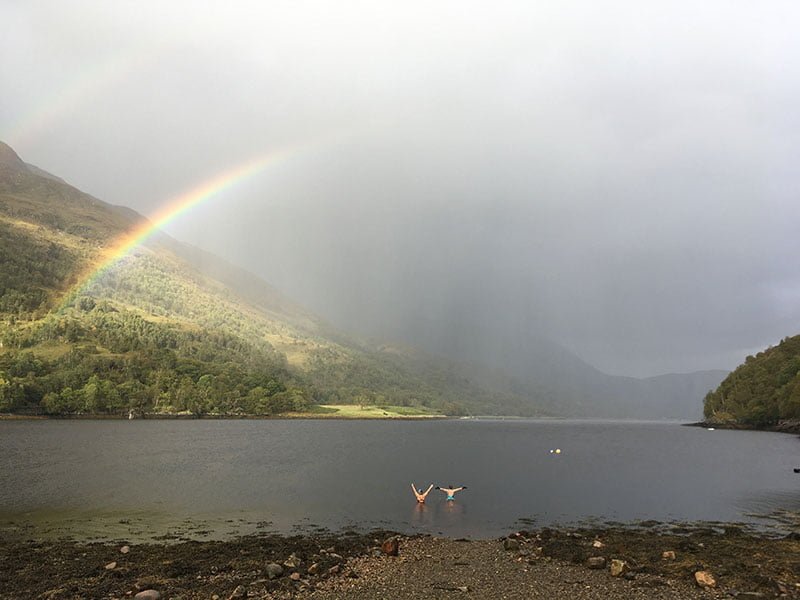
Swimmers in a grey sea below a rainbow

What might help develop self-compassion?

I use a Focusing practice to regularly check in to what I need. Although having a routine helps me, it can sometimes mean that I shut myself off from noticing when I need to slow down. I (try to) accept that I might not always know what I need, and that this will change from day to day – and perhaps more importantly, I give myself a break if I realise I’ve overdone it or made the ‘wrong’ choice. Learning to listen to what your whole self needs – rather than to the internal parent or inner critic that’s very good at telling you what you ‘should’ be doing – can be truly healing.

Treatments that are recommended for SAD are worth considering, but pay attention to what feels right for you, rather than trying to convince your body that it’s not really winter. For example, generally I’m an early riser and structure my work to suit this. For a few months of the year, though, my body would really like to wake later but it’s not practical for me to chop and change appointments. I use an alarm-clock-light that gets gradually brighter to simulate sunrise, which helps, but I also accept that I feel more sluggish in these few months of dark mornings, so I have lower expectations of what I’ll achieve.

But what if SAD really fits my experience?

If you experience severe depression as a result of changing seasons, you’ll probably find it helpful to investigate this with the help of a counsellor or psychotherapist. People severely affected by SAD are more likely to have depression, bipolar or SAD in their family history. This is as likely to indicate inherited emotional dysregulation (patterns of thinking, feeling and behaviour are often passed down through families) as a ‘genetic tendency’. There’s a good chance that, with the support of an empathic other, you can make changes that will help you feel better (and perhaps interrupt the generational cycle too).

While it’s increasingly accepted that there’s no evidence for the ‘chemical imbalance in the brain’ theory of depression, antidepressants can still be helpful for dialling down strong emotions to a point where you can begin to tackle the issues underlying them. There are other self-help suggestions for SAD here .

I don’t believe it’s helpful to assume that changing moods or energy levels are a ‘disorder’. Arguably it could be disordered thinking to believe that we should continue to function in the same way all year round, unless we live in a part of the world that doesn’t have significant seasonal changes.

Even a happy life cannot be without a measure of darkness, and the word happy would lose its meaning if were not balanced by sadness.

Carl Jung

If you find it difficult to tune into what your body is telling you that you need, or if you find it scary or uncomfortable to sit with strong emotions, you may find it helpful to learn Inner Relationship Focusing, which is a self-help practice that supports development of a compassionate attitude towards parts of yourself that you usually ignore. Please get in touch if you’d like to learn more about it, or watch the video on this page.

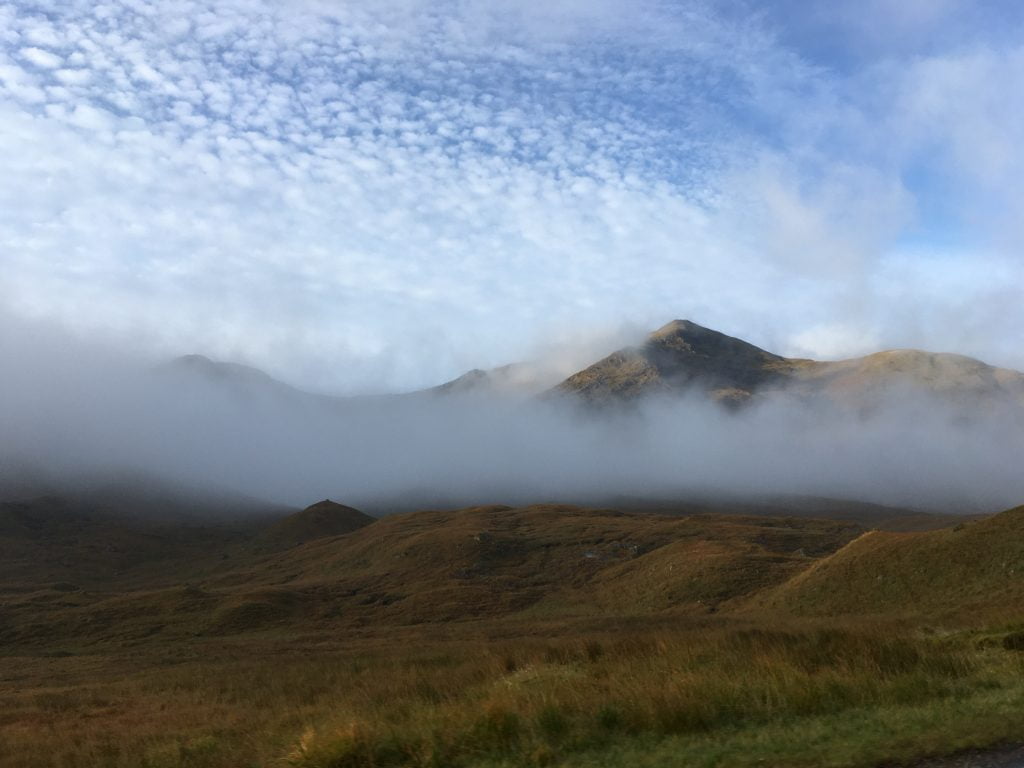
cloud in valley below mountain and blue sky

Further resources

What is Focusing?

Focusing was developed in the 1960s by Eugene Gendlin when he was researching why some people were able to sustain a more lasting change from psychotherapy than others. He found that those who made more sustained changes had a natural ability to check within themselves for an inner felt sense of a situation or difficulty, and to use that felt sense to intuitively find a way forward. Gendlin developed a process in order that those people who don’t have this natural ability, could be taught to develop it.

Focusing is…………

  • A tool for supporting self-compassion
  • A self-help exercise
  • A way of life

Focusing is all of these – and more.

Image by Tolu Bamwo on Nappy

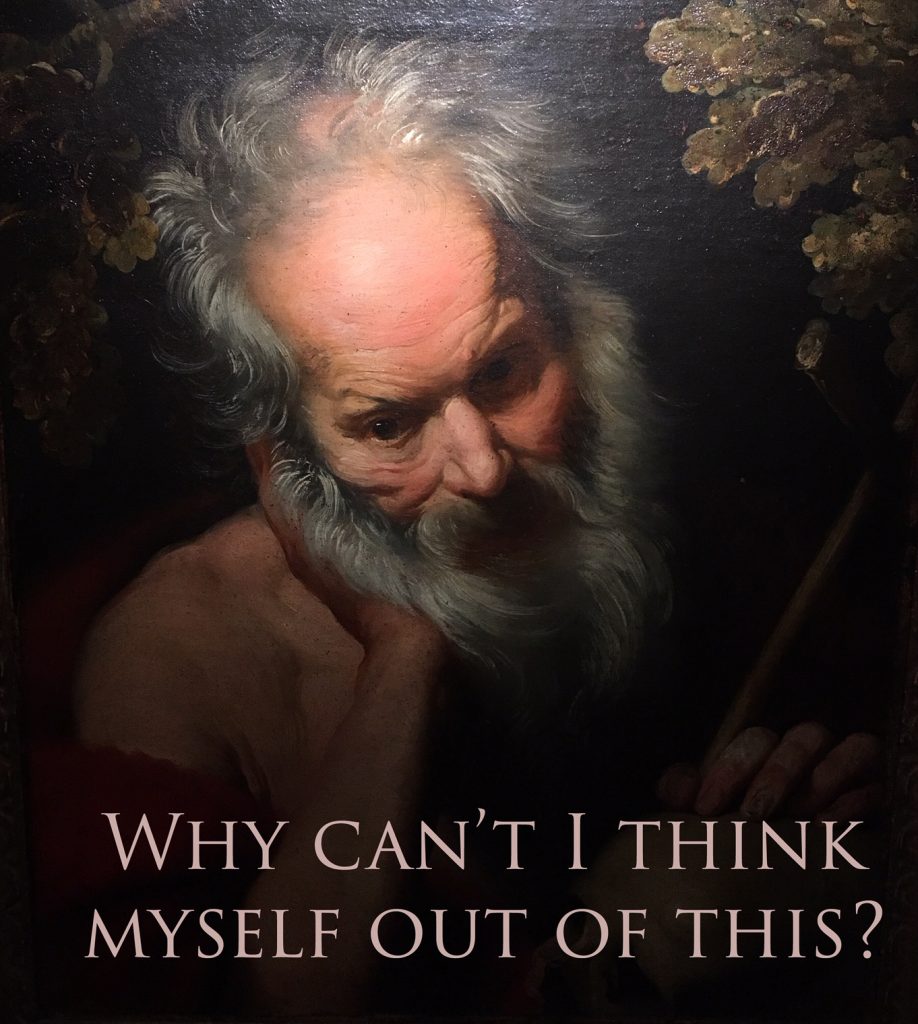
My own experience is of a history of getting stuck in my head, trying to think my way out of an uncomfortable situation or experience – believing that if only I could figure out the right solution, I’d stop feeling so distressed / uncomfortable / anxious. This resulted in lots of overthinking, rumination and self-criticism for not being able to get it right. Focusing has helped me develop another, much gentler way of managing difficult thoughts and feelings, which means that even when I get triggered back into old patterns of overthinking, I’m better able to recognise what’s happening and to move through it more quickly.

For me it’s been nothing short of life-changing, which is why I decided to complete the training to teach other people this wonderful skill.

How Focusing can help

Many of us learn at an early age to suppress feelings, or to be frightened of strong emotions. This can be a result of experiences of feeling unsafe in childhood, may have been modelled to us by our parents, or may have been part of the conditioning of the society or culture we grew up in – there are lots of possible reasons. Over time this can lead to us being afraid of our feelings – you might be afraid that if you let yourself feel, you’ll be overwhelmed by your emotions, like opening Pandora’s Box. In some cases we become so skilled at not allowing our feelings that we’re not even sure what we feel.

Even if they’re buried deep, those feelings don’t go away, and can often manifest themselves in other ways, including physical symptoms, poor immune response, anxiety, stress symptoms, or erratic moods.

Focusing with a skilled companion, you can learn to acknowledge, first of all, that there is something there that wants attention. You can begin to listen to what those suppressed parts of you want to say – while keeping a safe distance. Doing this with a supportive teacher helps you be alongside thoughts or feelings, rather than be overwhelmed by them. You can recognise that the feelings are part of you – they’re not all of you. With practice, you can learn to build relationships with those inner parts of you, and the intense feelings will ease as those denied voices realise that, actually, they don’t need to shout so loud to be heard.

Sculpture by Matt Baker

How does Focusing compare to mindfulness or meditation?

There are similarities between all three practices. They all aim to bring the attention inside the body, and to remain in the experience of the present moment.

However, often with meditation and mindfulness, the intention is to not get ‘caught up’ in thoughts or feelings, but to let them pass. With Focusing we bring interested curiosity to a thought, feeling or sensation. We might enquire what it’s like, what it might be connected to, and we want to stay with it in a friendly way. With this curiosity more can arise and stuck feelings can shift.

Is Focusing a type of guided visualisation exercise?

Some people will have a lot of visual imagery when they’re Focusing, but some people will have body sensations, or thoughts, or memories (and lots of people have a mixture). In my own process, I often find I start with a body feeling and then images can also come later. My role is to support people to allow images or other experiences to arise, and to find ways of describing the experience. In that process, where these ‘parts’ are attended to by trying to describe ‘just what they’re like’, images may develop into other images, or emotions, or memories.

When someone is new to Focusing, I’ll make suggestions, like ‘perhaps you could sense if there’s an emotional quality to this image’, or ‘if it feels helpful, perhaps you could check if there’s something this part is wanting’, to support a dialogue or relationship with these inner experiences.  As people become more experienced with Focusing, they’ll often learn what’s helpful for them, e.g. whether they like having suggestions or .

Should I choose Focusing or counselling?

Focusing is not therapy, although it does, of course, have therapeutic benefits. If you come to me for Focusing sessions, you’ll be learning a self-help practice, which you can also do on your own, and if you decide to take it further, you could develop Focusing partnerships with other people who are learning Focusing. The role of the teacher or companion in Focusing is to support you (sometimes via suggestions) to follow your own direction. You don’t need to give me any history, unless you want to, as we will be dealing with your present-moment experience in sessions, even though this experience will most often be influenced by past events.

Because Focusing has become an integral part of who I am, it is also an element of my counselling process. For example, I may suggest a pause within a session, to check inside, to allow some space for feelings to emerge. I sometimes also offer some Focusing teaching within counselling sessions, if I think that it may be helpful to tune in to some feeling or experience that seems difficult to put into words.

If you have a clear goal of what you want to change in your life or behaviour, it may be that counselling is more appropriate than Focusing. If you’re not sure what you want, it could be that Focusing might help you get a clearer idea of your steps forward. If you want to develop a better relationship with yourself, Focusing and counselling could both help with this.

I suggest that, if you want to try Focusing, we plan in 3 sessions initially. My reason for this is that, for some people, it can seem a bizarre and unusual way of relating to themselves, and the unfamiliar can be uncomfortable. Committing to a few sessions means that you give yourself a better chance of moving through this discomfort, where something in you might be tempted to shy away after the initial experience. Also, we’ll take some time during the first session, for some preparation before the guided exercise, and some feedback afterwards, whereas a greater proportion of the second and third sessions can be dedicated to the experience of you being with yourself.

What happens in a Focusing session?

I’ll ask you to close your eyes (or look down if you prefer), and then lead you into your body with a body-scan or check-in, then use gentle suggestions to see what’s there wanting your attention, or to check in with a particular issue that you want to look at.

You describe to me what you experience and I reflect that back to you. I may make suggestions to help you to begin gently to build a relationship with what comes up. We’re not attempting to analyse or interpret – although part of you may want to, in which case I’ll encourage you to acknowledge that aspect of you, too.

Image: Ben White on Unsplash

I’ll give you a time signal that we’re coming to the end, and I’ll suggest you take some time to thank whatever has shown up, then encourage you to come back to the room and open your eyes.

If you want you can talk about what happened in the session, and you can ask for my feedback if you think that would feel helpful.

What is Focusing most useful for?

Anxiety

I’ve found Focusing particularly helpful with clients who have high levels of anxiety, who often feel compelled to keep busy at all times and/or to focus their energies on trying to keep others happy. Anxiety can provoke over-thinking, ruminating thoughts, and compulsive behaviours as a way of filling up any empty space which might otherwise be occupied by strong feelings. With Focusing we can turn towards those feelings that are provoked if you don’t keep busy, and you’ll discover that anxiety is something that you don’t need to react to or ignore. When you acknowledge the anxiety, and turn a compassionate and curious attitude to what may be underlying it, the intensity of the feelings will lessen and become easier to tolerate. 

Trauma

Focusing can be a wonderful way of soothing the parts of you that are easily triggered due to past traumatic experiences – without having to go into the story of the trauma. This means it can be equally useful if you experience triggering or fight/flight/freeze reactions, even if you don’t think you’ve been subject to traumatic events. Because of the Focusing principle of being alongside your experience – as an observer, or witness – rather than being in it, you can get a little bit of distance from your emotions. We work with your in-the-moment, embodied present, and having the experience of being able to be in relationship with your traumatised parts can be profoundly healing at a whole-body level.

Inner critic

Focusing treats the critical voice as a part of you – not all of you. By using Focusing to build a relationship, you can develop understanding of how that inner critic has your best interests at heart – even if it doesn’t feel like it. The inner critic tends to develop as a protective device (based on some kind of childhood belief that if it works you hard enough you’ll be loved / you won’t be abandoned), and by your responding to it with compassion, it will learn over time that it doesn’t need to push you as hard.

Pre-therapy sessions

As mentioned above, Gendlin developed the Focusing process to support people to get more out of their therapy. I believe that developing your skills of listening to all parts of you, can be helpful as a precursor to counselling sessions – whether with me or another therapist.

Focusing for therapists

Focusing is a great resource for counsellors and therapists to help them manage their own thoughts and feelings stimulated during sessions with clients. Some counsellors find it difficult, sometimes, to engage with their own personal therapy, because a sense of competition or fear of being judged by their therapist can hamper their ability to be honest during sessions. The emphasis in Focusing is on developing the client’s relationship with themselves, more so than their relationship with the Focusing teacher. I don’t need to know any history or events and I don’t need to know what a particular feeling, memory etc, is connected to, in order to support your process, which means that Focusing may be experienced as a safer space than counselling at times. In addition, because I don’t need to know about the content, I can offer Focusing to people that I have existing relationships with, in a way that I would never do with counselling.

I find it hard to describe exactly what Focusing is, in a way that really conveys its essence! The best way to really understand it is to try it for yourself. If it sounds like something you’d be interested in – please get in touch with me.

Further reading and resources

What is Focusing? – The International Focusing Institute

What is Focusing? – the British Focusing Association

Eugene Gendlin talks about Focusing

Get a feel for Focusing via this video:

What happens in therapy? – PART 2

How does counselling promote change?

Earlier in the year I published ‘How does therapy work? – Part 1’, which talked about the practicalities of what to expect when you start counselling for the first time.

But that question – ‘How does therapy work?’ – can be answered in another way.

What is it that makes talking therapy an effective resource for helping you feel better?

What processes are at work there?

“Can I fix this problem in me?”

Many clients come to counselling, believing that if they could just understand WHY they feel so depressed, or anxious, or stressed, or angry, they would be able to do something about it. It seems like a no-brainer, right? It seems such a logical process:

5 self reflection Lucy Hyde online counsellor (image Ben White on unsplash)
Image by Ben White on Unsplash
  • Something’s broken
  • It needs fixing
  • If I figure out what it is I can fix it
  • Then it won’t be broken anymore

We can expend a lot of energy in the trying-to-fix, and often exhaust ourselves with thinking round and round a problem before we even get to point of finding a counsellor, eventually deciding we need an expert who’ll be better at fixing or figuring-out, to help us with the WHY.

But that’s NOT how therapy helps.

More understanding about ‘root causes’ CAN be helpful – but only if it encourages you to take a more compassionate attitude to yourself. In terms of ‘fixing the problem’……….

  • It might be that the reason for the depression, anxiety or stress is something that happened to you – and you can’t go back and change that
  • It might be that we’ll never know exactly why you have symptoms of anxiety or feel so angry – because you can’t remember everything that’s ever happened to you in life
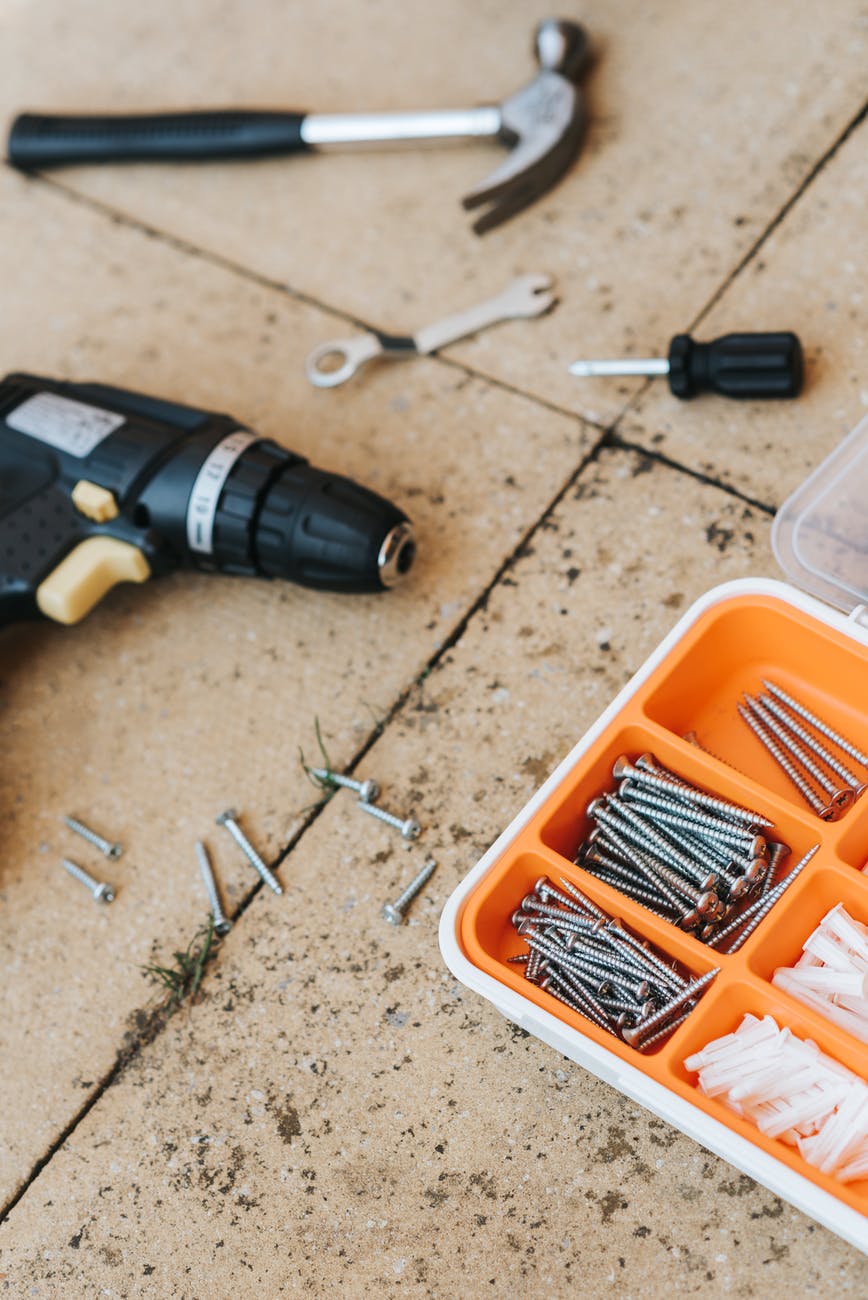
repair tools in container with hammer and screwdriver
Photo by Anete Lusina on Pexels.com

If therapy isn’t about fixing problems – what IS it?

The way I see it – it’s all about the relationship.

  • The relationship you have with others.
  • The relationship you have with yourself.

The truth appears to be that many human struggles, from phobias to obesity, are consequences of evolution and not deficiencies of character. Identifying problems that we hold in common and developing methods to circumvent or correct them is a solid foundation upon which to build a therapeutic alliance.

Cozolino, 2002

What is the therapeutic relationship?

Asay and Lambert (1999) researched the factors that influenced the effectiveness of therapy.  They found that the biggest contributor towards how well someone responded to therapy is ‘client variables and extratherapeutic events’ – i.e. what other shit is going on in your life, what supports you have around you, and how motivated you are to do the necessary work in order to make changes in your life.

The second biggest contribution – 30% – is the therapeutic relationship: the relationship that the client and the therapist form as they work together. This is why it’s important to find someone you feel comfortable – or comfortable enough – to talk to. You need to be able to trust your therapist. You need to feel safe in order to be able to explore those feelings.

Lucy Hyde counsellor talking helps
Image by Mabel Amber on Pixabay

I think of therapeutic work as being about GROWTH (I want more of myself) and RECOVERY (I want to feel less wounded by what happened to me).

Both growth and recovery need to be nourished in an environment that feels safe enough, as the client will at times be feeling very vulnerable and exposed as they reveal their innermost hopes and hurts. The therapist won’t laugh at, or criticise, these tender, vulnerable parts – and for some clients, that experience of compassionate, loving attention may never have occurred before. Seen in this light, the therapeutic relationship really is healing.

Making changes

Another important aspect is CHANGE – which is presumably what you, as a client, are looking for. If you’re content with things staying just as they are, you’re probably not going to look for a counsellor. So, there’s something you want to change, whether it’s changing an aspect of your life situation, or changing the way in which you feel about something or somebody (including yourself). Both involve you needing to do something different in terms of your behaviour – from changing the way that you talk to yourself, to taking steps to change how you live your life.

Lots of research has demonstrated that changes take place within the brain during the therapy process. Although the most significant change and learning takes place during the first seven years of life, the brain continues to change and adapt throughout our lives, as we do new and different things. This is what’s meant by neuroplasticity.

When we encounter new situations or experiences (for example, the experience of believing that another person – the therapist – really wholeheartedly accepts us just as we are), we develop new neural networks. These networks get stronger each time we repeat the same experience – it’s a bit like walking over the same route repeatedly. A path gets clearer as we use it more, and the old path, as it gets less used, gets overgrown.

Lucy Hyde counselling outdoors East Lothian

The most recent research has demonstrated that brains have evolved socially – i.e. that the brains have evolved to connect with other brains, which explains why we can be influenced by the feelings of others. When people feel something we feel it too, by the brain creating an internal model of the other.  So the therapist can influence the brain of the client by modelling and attunement; I’ll say more about this later.

There’s a great clip by Louis Cozolino talking about this here:

Within the relationship between therapist and client, a number of different experiences may take place, that support you, as the client, in making changes. These include:

  • having a neutral space with someone who has no connection to your life situation
  • hearing yourself say things out loud for the first time (and having them offered back to you)
  • being in a relationship with someone who accepts the whole of you just as you are
  • making sense of your thoughts, feelings and behaviours and where they may have come from
  • learning and practising ways to change your relationship with yourself
  • finding resources to improve your wellbeing
  • bringing your attention to how you and the counsellor relate to each other (helping you choose a different way of responding in relationships with others)
  • being able to experience strong emotions and still be OK
  • subconscious-level experiences, such as getting your emotional needs met

Let’s look at each of these in more detail.

Opening up to someone neutral

“This is the first place I’ve had where it felt OK to say how I really feel.” That’s what Mandy*, who’d got in touch because of overwhelming social anxiety, said to me at the end of her first session. And many, many clients say a similar thing when I ask them how it’s been – that first occasion of speaking to someone, where you don’t worry about the impact of what you say on them, is so DIFFERENT.

Sometimes, you might not even realise how much you self-check or monitor when you’re talking to family and friends (no matter how much you trust them). You worry that if you really tell them how much it hurts, or how lost you feel, they’ll be frightened, or worry about you, or feel that they have to do something to make it better. The relationship between counsellor-me and client-you is different from ALL of those, and that means that you actually get to air those thoughts and feelings that generally just keep buzzing around inside your head, and……..
Listening to your inner child
Image by Paolo Stefanelli

Saying things out loud for the first time – and hearing them

The experience of hearing your words reflected back when you share your thoughts and feelings can be very powerful. Speaking out lets that part of you that feels stressed, or angry, or ashamed, know that it’s OK to share that; and to have that received with empathy and understanding reinforces that sense.

Even if it’s not the first time you’ve spoken to someone about what’s going on for you, often people’s responses are something along the lines of ‘oh, yes, that happens to me too, isn’t it awful’ or focused on figuring out how to fix your problem, both of which don’t really make space for your feelings. When I offer your words back to you, you know that you really have my full attention, and that it’s important to me that I really hear and understand just how it is for you.

Being accepted just as you are

You’ve probably come to therapy because you want to change something about your life or about yourself; you might think there’s something ‘wrong’ with you. But although I’ll talk about what you want to be different in your life, my starting point is that you are an OK human being just as you are, right now.

That doesn’t mean that I won’t be able to see that some behaviours or thoughts you have may be unhelpful, or hindering you, but I believe your core, your fundamental being, is right.

Making sense of thoughts, feelings and behaviours

Probably, as we talk, we’ll discover that those behaviours and thoughts and feelings mentioned above, are actually a pretty logical and normal response to your experiences in your family, in your life, and in a society, culture and world, that is frequently dysfunctional and restrictive of natural human growth. You might be reading this and thinking “but nothing bad happened in my childhood”, because a frequent narrative is that unless you’ve experienced ‘capital-T-trauma’ you should be a fully-functioning confident adult.

However, there are many aspects of 21st century life that discourage us from following natural healthy tendencies. These include:

  • excessive exposure to other people’s lives via social media, encouraging us to make unhealthy comparisons;
  • product marketing that is designed to play on our insecurities, promoting a sense of not being ‘enough’;
  • political and social attitudes that put increased emphasis on the individual rather than recognising collective, community responsibilities for each other; and
  • disconnect between a philosophy that economic growth is appropriate or desirable, versus the real existential threat to life – via the climate crisis and unequal access to resources – that such a philosophy promotes.

Emotional distress is a natural response to living in today’s world, no matter what your individual history is.

big waves under cloudy sky
Photo by GEORGE DESIPRIS on Pexels.com

Getting a better understanding of the links between how you feel and the context of your life, while it doesn’t ‘fix the problem’ in itself, can help you be more accepting of your emotional experience. It can also help you recognise those areas that are outwith your control, and those areas that you can do something about, so that you can choose where to focus your energy to make changes.

Developing a better relationship with yourself

The experience of me accepting you just as you are, right now, combined with greater understanding of why you have the emotional experiences that you do, are really powerful in supporting you to shift from a self-critical to a self-accepting attitude.

In addition, I’ll often point out the language that you use in talking about your thoughts, feelings or behaviours. Language can reveal a punitive attitude to yourself that you may not have realised you had; a common example is using the word ‘should’ – “I should be doing such-and-such” which implies that you are failing if you’re not doing this.

Noticing this, and making small changes subtly shifts your attitude towards yourself  – in this example, replacing ‘should’ with ‘could’ is softer, more permission-giving, less judgmental. The language that we use in relationships is powerful, and that applies in your relationship with yourself too. 

I’m interested in ALL the thoughts and feelings that you have, even – in fact, especially – ones that seem contradictory, inappropriate or unattractive, and I’ll encourage these different aspects of you to get an equal say, possibly in contrast with your previous tendency to squash them down or ignore them. As I do this, I’ll support you to make space for these parts yourself – which usually leads to you realising that they’re not as scary or unpleasant as you thought they were, and you’ll discover that you can develop a compassionate attitude towards them. 

lucy hyde therapy words mattermatter

Finding resources to help your wellbeing

There are two aspects to this, as one place you’ll find resources is within yourself. There’s a good chance that, when you’re finding things difficult, there are tools that you already know help you. In fact, one of the solutions to helping you feel better, can be to do more of what you’re already doing, or to remind yourself of things that have helped in the past that you’ve stopped.

You might say to me “but I’ve been doing my yoga / getting out for walks / going to bed early so I should feel OK” – yet sometimes our need for what resources us is greater than at others, and recognising that can be helpful.

The other aspect is looking for new resources. I’ll encourage you to come up with your own ideas, sometimes by us exploring together what already helps or hinders you in feeling well, and developing further ideas from this. I might also make suggestions based on my experience of what other people have found helpful. 

I’ll ask you to focus on the smallest possible next step you can take, because building things up gradually is more manageable. The experience of successfully making a small change is more motivational and encouraging of hope, than trying and failing to make a big one!

How can I change my habits? - phone counselling

Understanding your patterns of relating

You and I can learn a lot about the way you are in relationships, by noticing what happens in our relationship – we’ve got really valuable information playing out in real time in sessions. For example, when I first started working with Mahmood* he would sometimes take a long time to answer questions that I put to him, and I could see that he was thinking hard before he replied. After a few sessions, we reviewed the work together and I discovered that at these times he was working hard to try and guess the ‘right answer’ to my question – his focus was on giving me what he imagined I wanted. This was relevant for his process in relationships generally, where he found it difficult to pay attention to his own needs as he was so concentrated on keeping the other person happy.

Discovering this meant that when I saw this happening, I could bring his attention to it and we could notice what his internal experience was in those moments, paying attention to the part of him that felt it had to keep the other person happy, and checking out what it needed. Mahmood was also able to experiment with not giving me the right answer, or with telling me when my questions didn’t make sense or feel relevant, noticing what feelings this triggered and how he could learn to tolerate them. The therapy session can be a safe enough space to try a different response, before taking that different behaviour into the outside world.

Developing resilience and recovery

Often clients say to me at the start of our work together that they want to get rid of a feeling – of anxiety, or anger, for example. I’m clear that I won’t help someone to ‘get rid’ of any aspect of themselves – it doesn’t fit with my philosophy of the whole of that person being OK. As mentioned earlier, feelings are a response to a situation, a response that has been a natural, logical step for some aspect of that person at some time in the past, even if with their grown adult perspective it may not seem helpful now.

Your way of dealing with an uncomfortable or overwhelming feeling might have been to try and ‘not feel’ it, to suppress it, ignore it, or distract yourself from it in some way – through over-eating, perhaps, or through getting very very busy doing things. In therapy we do something different – I welcome the feeling, and hold a safe space for you to gently turn towards it.

I’m there to pace you, to encourage you to pause when it feels like it’s too much, to help you get some distance between you and the feeling so that you’re able to experience it as part of you rather than feeling consumed by it. Almost always, you’ll find that you’re more able to tolerate these strong feelings than you realised.

walk and talk therapy (georg-arthur-pflueger-unsplash)
Image by Georg Arthur Pflueger on Unsplash

And crucially, by giving the parts of you, that are anxious or angry or stressed, some time and attention, they will usually settle down and be less demanding. I use the analogy of a small child screaming with distress – you could shut her in a cupboard, but she’s going to carry on crying, whereas if you sit her on your knee and ask what’s going on she’ll begin to calm down.

Getting your emotional needs met

Sometimes the most profound and important work that happens in our relationship together is the hardest to see and articulate, that we may not talk about explicitly in sessions. This takes the form of interpersonal (between you and I) and intrapsychic (within your mind) growth and development.

As we work together, I influence your brain through modelling, where I demonstrate a way of being that may be different from other significant caregivers in your life. Modelling is much more powerful than verbal instruction – ‘Do as I do’ is hugely more influential than ‘Do as I say’!

I’ll also be influencing your brain through attunement, which is where I allow myself to resonate with your emotional experience, genuinely listening and caring about what is going on in your inner world. Attunement is fundamental for children to develop their ability to securely attach to others, but sometimes we don’t get enough of this when we’re little. The therapy relationship is ‘reparative’ – repairing the deficit. As we work together we create the optimum conditions for your inner growth and development, supporting you to be more able to meet your emotional needs – both in your responses to yourself, and in your ability to voice your needs to other people.

This is one of the seemingly ‘magical’ effects of therapy, that you can start to feel better, to learn to like yourself, by the experience of being in a relationship with someone that is reparative and healing of your previous wounds.

Talking it out Lucy Hyde online counsellor (taylor hernandez on unsplash)
Image Taylor Hernandez on Unsplash

All of the above experiences happen over and over again during the counselling relationship. There may be some moments where it feels like a lightbulb goes off in your head, and something big changes, but more often, in my experience, the process of therapy is one of re-learning or adjusting your way of being.

It’s not a straightforward linear process where you steadily feel more and more like the person you want to be. Shit will still happen and you’ll sometimes be triggered by it and react exactly like you did before you started counselling. The difference is you’ll be more familiar with, and understanding of, those reactions and can use your new learning to recover more quickly from those experiences.

Effective psychotherapy or counselling is a transformation that therapist and client facilitate together by allowing ourselves to really connect to each other in relationship. It’s mutual work – not something ‘done’ to the client by the therapist, but something that is built together. Like any work, it can sometimes be hard, or a trudge, but it’s sometimes fun and enjoyable! Importantly, to be able to work together to create something, client and therapist need to be able to establish a good-enough, safe, trusting relationship where both can be vulnerable to being impacted by the other.

Psychotherapy is not a modern intervention, but a relationship-based learning environment grounded in the history of our social brains.

Cozolino, 2016

If reading this has been helpful, you might also want to check out ‘What happens in therapy – Part 1’ where I talk about the practicalities of what’s involved from that very initial contact.

And if you think I’m someone who you’d like to try and build that therapeutic, growthful relationship with, please get in touch.

* not clients’ real names

help with depression

References and further information

The empirical case for the common factors in therapy by Asay & Lambert

The Neuroscience of Psychotherapy by Louis Cozolino

Why Therapy Works by Louis Cozolino

There are various interesting articles and short videos by Dr Cozolino at drloucozolino

Counselling and neuroscience

Strengthening neural connections through meditation

What happens in therapy

What is attunement?

7 ways that reading books can improve your life

We read to know we’re not alone

William Nicholson, ‘Shadowlands’

When I want to escape to another world, I do it through reading.  For that half-hour, I’m not in my own life anymore, I’m inhabiting a different world, where I really care deeply about the experience of someone else, where I feel their feelings, even becoming a different person. 

I believe reading can change your life in different ways.

Throughout history, education has literally changed people’s lives, and there is a political and humanitarian argument for literacy being a right for that reason. While I completely subscribe to that (after all, restricting educational access to males, or to white people, has been a way of subjugating different parts of societies in order to keep power in the hands of the few)- what I’m talking about here is at a more individual level.

I grew up with my nose in a book. We didn’t have a telly in my house, a fact that I was resentful of at various points in my childhood. (If you want to know how to nurture a child’s belief that they’re the odd one out or will never belong, deprive them of the ability to engage in playground conversations about last night’s Grange Hill episode – I used to watch TV round at my best friend’s house, but Grange Hill came on just at the time when I had to go home for my tea.)

Reading as therapy image-annie-spratt-unsplash
Image Annie Spratt on Unsplash

However, setting aside the injustices of my upbringing for a moment, what I did have plenty of was books. Apparently even before I learned to read, my parents would be woken up each morning by me calling from my cot “Light on and books!” I’m not sure I would describe reading as a favourite activity – it was, simply, an indelible part of my life.

When I grew up and left home for uni, then work, reading time was squeezed by the demands of adult life – and by my developing tendency to, at some level, believe that ‘unproductive’ time was self-indulgent. I wonder now if there’s some connection for me with reading being ‘lazy’ because it’s a sedentary activity. I still really enjoyed to read – but I wouldn’t let myself do it as much as I liked – I was always too busy.

I was well into my 30s when I started a bookgroup with a friend. Having to read a book a month, for that, encouraged me to make more time for reading. I think the logic probably went something like this: “Reading a book for bookgroup isn’t self-indulgent because I’m answerable to other people.” But I began to feel resentful that everything I was reading was chosen by others (we take it in turns to choose a book) and so that prompted me to carve out more time so that I could read what I wanted to read too. 

My time was often constrained, especially when I started psychotherapy training alongside work – and transferred my ‘shoulds’ about productive behaviour to the self-expectation of reading books by therapy experts. But at least personal therapy, and psychotherapy training, helped me to recognise what a strong ‘Critical Parent’ lived in me – telling me what I ‘should’ be doing – and I gradually started to allow myself to trust my instincts into what I wanted – or needed – once more. 

In recent years, reading has become a form of self-care, and I feel more connected to that little Lucy who liked to escape from the real world with a book.

One of the things I’ve appreciated about lockdown is that I’ve been able to indulge (that word again!) that love, because there’s not so much than I can do (regardless of whether I want to or not), and because so much of my work is screen-based, that looking at a page instead is a way of looking after myself physically as well as mentally.

The experience of recently ramping up my book-reading has prompted me to reflect on how I experience emotional benefits from it.

How is reading a form of self-care?

1. It can ease symptoms of anxiety, stress and depression

Reading a book that you can lose yourself in gives you a break from life. I don’t generally advocate distraction as a technique for managing anxiety or depression, as it can shore up a habit that if there are feelings that are too uncomfortable to deal with, they get ignored or suppressed, and however that might feel comfortable in the moment, those feelings don’t go away; they just get stored up.

Having said that, if you get into cycles of overthinking, ruminating, feeling anxious and trying to think your way out of it, interrupting that cycle can be helpful. The fight or flight hormones (that are running through your body as a result of some part of you panicking that it needs to do something to keep safe by ‘fixing a problem’) get a chance to dissipate. That allows your breathing to steady, your blood pressure to drop, your muscles to relax; there’s a physical as well as mental and emotional benefit.

Note – I’m recommending a book you can ‘lose yourself in’, that will allow you to switch off, so preferably one unrelated to the situation you’re worrying about or trying to fix. I know only too well that when my imposter syndrome kicks in, and part of me believes I’m not a good-enough therapist, I feel a pull to read ‘professional stuff’ – about techniques, or presenting problems or theory. That kind of reading has its place – but not here.

This is about taking care of your whole self, not about fixing the problem your busy brain is worrying away at.

self care through reading Lucy Hyde counselling
Image: Thought Catalog on Unsplash

2. It helps you make connections

There’s nothing like being immersed in another world to help me develop my empathy for what someone else, with a completely different life experience from me, might be feeling. The process of doing this by reading is different from that of watching a film because the brain engages and involves itself in a different way – for example, reading about riding a bike activates the parts of the brain that would be involved in riding a bike.

Even if you’ve never left your country or particular area of the world, you can visit other places through books and build your understanding, and that will help you connect to others – virtual travel broadening your mind. If you want a further stretch then reading in another language from that of your mother tongue can also help you shift your perspective, because the way that different languages behave shapes the way that people think.

Obviously this has potential to benefit others – if you meet people from different places and with different backgrounds from you, you’ve developed your intuition and empathy to respond to them – but there is also a benefit to you, because of the emotional experience of connecting more deeply.

You might make connections to experiences too, perhaps to something you didn’t notice you were missing. For example, I’m often drawn to books that are embedded in the landscape or nature and reading them benefits me in at least two ways; firstly, I get something of that experience of actually being in the place described, of feeling that awe or wonder or amazement; and secondly that they remind me to notice my environment when I’m outside, often at quite a small scale – they prompt me to rediscover the world around me and to really notice where I am right now, grounding me.

3. It improves your communication skills, helping you be heard and understood

Reading develops your language skills because it introduces you to different ways of expressing things you may experience around you, and to new vocabulary. Many languages – and certainly English – have a huge vocabulary providing potential for saying one thing in a myriad of very subtly different ways.

This isn’t just about ‘sounding more intelligent’(although I have had situations in my life where wielding words has helped me level a power dynamic) but also about being understood. If you can express yourself in different ways, it gives you more options when talking about difficult subjects, or when asking for what you want in your important relationships, and this can make a real difference to your ability to be clear about communicating your needs, setting boundaries and for saying No gently.  

4. It can build and deepen relationships

As mentioned earlier, reading can be a way of connecting to others, but there’s another way that reading can develop relationships – through sharing your reading experience. That became important to me in the last few years when I moved away from the UK to live elsewhere for a while, and then, a year after returning, found myself in a different kind of isolation because of Covid 19 stay-at-home restrictions!

The book group I’ve been a part of for 15 years has been a precious lifeline over the last 4 – a steady mooring rooted in my diary when I’ve felt adrift and isolated. We’ve continued to meet and talk and argue and laugh via webcam when we haven’t been able to do it in person. (Obviously this would apply to many other types of groups as well as reading ones.)

Reading together with others has encouraged me to try and explore other worlds that I might not have done (even while complaining about being made to read about the real life drama of a college American football team, for example). It has given a focus away from the other struggles of life for a few hours a week. It has brought the joy of connecting through shared experience.

Our book group is the best in the world, which helps. Though I may be a bit biased.

5. It’s an overt message to yourself that you matter

Pausing to read a book is a commitment to yourself that you are important and deserve this time. It’s just not possible to read a book ‘busily’. (Actually, one member of my bookgroup, realising that they weren’t going to get the book finished on time, decided to listen to the audiobook at 4 x normal speed. They arrived at the meeting in a wide-eyed manic state having got quite a different sense of the book from the rest of us, and they didn’t recommend it as a relaxing activity.)

It’s one of the most common things I hear when friends say ‘Oh, I love reading, but I just don’t have the time’. I used to say it myself – especially while studying, when I would make time to read neuroscience tomes, but not to pick up a fantasy novel.

No one else is going to make that time for you. If you think you don’t have the time to read because that’s not ‘productive time’ – think again. Think of the longer-term benefits of allowing yourself to take a break, to do something that you enjoy, something that relaxes you, that slows you down.

6. It can teach you how to be healthier and happier

Personally, I very rarely read self-help books. Anything with a title that seems to be saying ‘This book will change your life’ is a definite turn-off (note to self: don’t title this blog ‘reading this will change your life’).

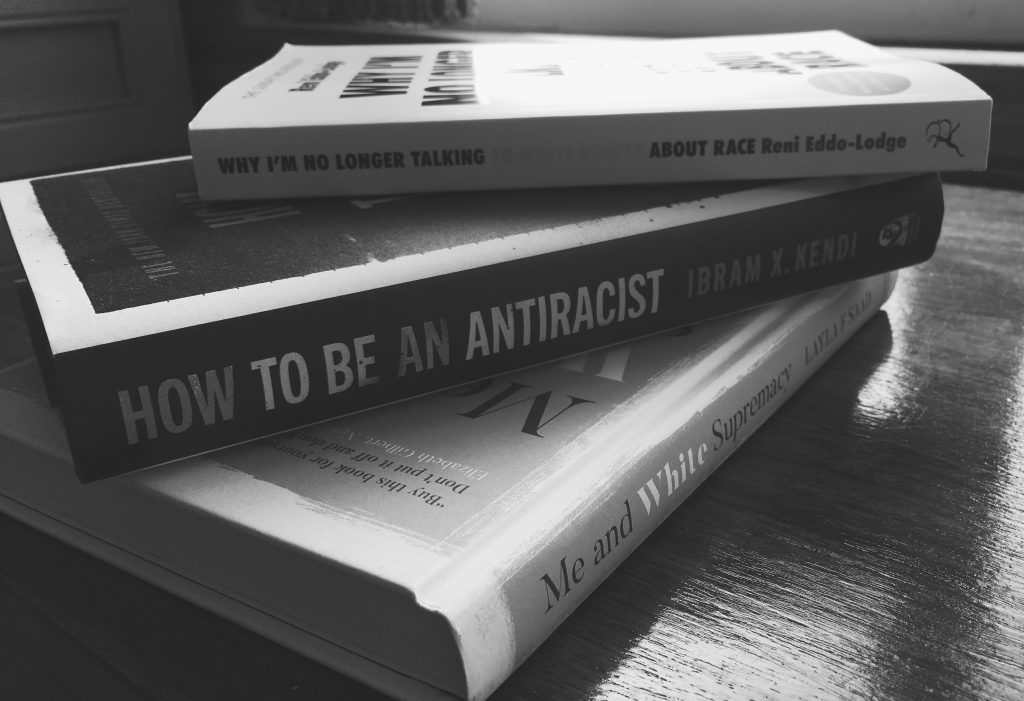
Having said that, I do read books to educate and ‘improve’ myself. Like many other white people, over the last year I’ve been reading more literature by Black authors on addressing my privilege and unconscious racism, and of course, that hasn’t been comfortable. But without building my tolerance to that discomfort, I can’t engage in the antiracist behaviour required to mend that disconnect between ‘thinking I’m a good person’ and ignoring the benefits I enjoy by living in a white-centred society – i.e. I see it as enabling me to become more true to who I think I am.

Lots of people find self-help books useful, either because of the practical steps that they introduce to doing things differently, or even because – as mentioned above – picking up a book that promises to improve your life sends a little message to yourself that you matter.

If you’re attracted to self-help books, but find that they don’t seem to bring the change that you want, it might be useful to reflect on whether the subconscious message you’re directing at yourself  is ‘you’re not good enough and need to change’ rather than ‘I want you to be happier because you’re important’. See if reframing this shifts the sort of book you want to read!

7. It can take you on a voyage of self-discovery

In another form of self-help, I believe books can help you become more understanding of yourself and more aware of what you need. If you have a strong reaction when you read a book, taking some time to reflect on this can lead to you learning more about yourself.

What is it in this book that triggered that anger, or feeling of being overwhelmed with love, or despair, or feeling a bit lost, or defensive? Did something about one of the characters speak to something in you? Was it a sense of affinity that you felt with a particular event?

I sometimes find that a book that I didn’t feel I was particularly enjoying at the time of reading can stay with me for days or even weeks afterward, returning to my mind as if there’s some kind of message there that it has for me. I can be prompted to notice something that I’ve let go in my life, that feels missing or that I need more of, by my reaction to what I read. Even if I can’t pin my finger on exactly what it’s about, spending a little bit of time alongside that part in me that responds strongly feels therapeutic, as if it’s meeting a need of something that wants attention.

Reading tastes are so personal, and what some people find therapeutic, others may feel is just too much hard work. Here’s 7 books that do it for me in different ways.

Reading as self care Lucy Hyde online therapy

1. The stress-buster: ‘The Bear and the Nightingale ‘ by Katherine Arden

A book (or series – the Winternight trilogy) that I really lose myself in, this story has the flavour of a Russian folk tale, with a very strong young female main character – who is only too aware of her own vulnerability. A fantastic illustration of resilience, set in a wonderful magic realist sweeping fantasy.

2. The connection-builder: ‘The Shadow King ‘ by Maaza Mengiste

A book that has stuck with me long after reading, this novel is set during the real life events of the Italian invasion and occupation of Ethiopia in 1935, and tells the story of the women who fought in that war. It pushed me to read more about Ethiopian history as I realised how little I knew of one of the world’s oldest civilisations, and how much my perceptions of a country had been influenced by growing up in the 80s amidst white Western media depictions of famine victims.  

Reading as self care Lucy Hyde online counsellor

3. The language-developer: ‘Growth of the Soil ‘ by Knut Hamsun

One of my all-time favourites…….a novel, but also a poem to the land, and humans’ relationship to it. Every time I read this book I’m reminded of what it is to be human, and how imaginary and transient many of my worries, fixations and anxieties are. Books like this give me a way to talk about and develop my understanding of what really matters to me at my core. This book is an antidote to social media life of the 21st century.

4. The great book group read: ‘Girl, Woman, Other ‘ by Bernardine Evaristo

This was almost unanimously popular (an unusual occurrence!) in my book group. Evaristo manages to succinctly capture on paper so many different lives, of mostly – though not entirely – Black British women. For me this was a fantastic combination of entertainment and exposure to lives different from mine, but also, in sharing our responses to the characters, and which ones we loved, a great book group read. 

Self care via reading Lucy Hyde counselling

5. The pure enjoyment gift-to-self: ‘The City We Became ‘ by NK Jemisin

For escaping into new worlds, NK Jemisin, a science fiction / fantasy writer I’ve only recently discovered, takes some beating. (As a Black woman, she also challenges stereotypes of what a sci-fi writer ‘looks like’.) This book is set in a New York that is – and isn’t – just like the real one, and as well as having some full-on sci-fi concepts that take some bending your head around, is chock-full of strong female characters.

6. The self-help aid: ‘Rewild Yourself ‘ by Simon Barnes

The closest I’ve got to self-help recently, Rewilding Yourself is a gentle book that brings you closer to nature. In a year when taking cruises to Alaska to see arctic wildlife hasn’t been an option (even for those who can bear to burn the fossil fuel to do it), this little book is a great introduction to becoming a small-scale David Attenborough in your own back garden or field.

self care with books Lucy Hyde therapy

7. The self-discovery tale: ‘The Left Hand of Darkness ‘ by Ursula Le Guin

Le Guin was an amazing writer – her Young Adult Earthsea books were a part of my growing up – and I recently discovered her adult fiction. I never read one of her books without being given pause for thought – about the assumptions we make about what is ‘normal’ or ‘real’ based on our experience, environment and upbringing. She deals with philosophical questions with a light touch. The Left Hand of Darkness – written in the 1960s – challenges concepts of sexuality and gender with a delicacy that is impressive 50 years later.

Finally…………………

If you think you don’t like reading – perhaps you just need to give yourself more of a chance. Start with something that fills your soul. Read a love story, or a children’s book. A graphic novel (I’ve just finished the fantastic ‘Persepolis ’ by Marjane Satrapi, which tells her early life story, as a girl growing up in the Iran of the 1970s and 80s). When I need the reading equivalent of curling up under a blanket and hiding from the world, I read Joan Aiken’s children’s books, even now. Reading takes practice – but the rewards are so worth it!

It’s cheap, too, especially if you’ve got a library that is operational at the moment, or by making use of charity shops, or Betterworldbooks – although it’s also great to support authors by paying full whack for their labour, when you can afford it.

Of course, reading isn’t the only way of taking care of yourself!  But it sure has benefits that can include learning more about yourself, giving yourself a break, connecting to others and building relationships.

If you’re a reader who struggles to prioritise time to read as much as you’d really really like to, I hope reading this may have helped you to recognise the longer-term benefits of doing what you love.

I’d love to hear what reading means to you, if you feel reading has a therapeutic benefit, and whether there are particular books you return to again and again.

And if reading isn’t enough, and you feel you could benefit from learning more about yourself through talking to someone, please get in touch here.

Books and wellbeing Lucy Hyde counsellor

References and further reading:

Reading V television

When I read in another language

Which language has the most words?

Tips for coping with ‘pandemic fatigue’

Lucy Hyde online counsellor pandemic fatigue

I had a week off recently. It was a bit ‘meh’. My previous week off had been a couple of months into lockdown and I relished being prevented from doing anything very much, in glorious weather. I expected to feel the same this time, and I didn’t.

Instead my mood yo-yoed and I found it difficult to settle. I enjoyed seeing some friends in real life – it felt like an ‘event’ – and I was also aware that in some ways seeing people in real life now feels a bit weird. Some days I kept bursting into tears and couldn’t motivate myself to do anything. One day the weather was terrible and I was relieved because it meant my options were reduced!

online therapy rainy day feeling (image noah silliman unsplash)
Image: Noah Silliman on unsplash

Exactly halfway through the week I crashed and had to go back to bed after breakfast. Initially I was railing against myself; unable to get up, to move, yet unable to allow myself to lie there – but by the afternoon I was able to surrender to not being able to do anything other than lie in bed and read Joan Aiken books. And that ‘surrender’ felt like an improvement – rather than being consumed by frustration that I wasn’t ‘making better use’ of my holiday.

The day after I felt, quite simply, better. We went to a wildlife reserve that we hadn’t been to for a few years……..and I realised how much I had needed to get away from home. I recognise how lucky I have been during lockdown to be able to get out for walks locally but something in me had really needed more country and to be out of earshot of traffic.  For a while we just sat and listened to grasshoppers, birds and wind.
https://www.facebook.com/lucyhydetherapy/videos/1497869573717828

I caught up with a couple of people by phone/Zoom and discovered that I wasn’t alone in struggling, and that what I was dealing with was partly ‘Covid weirdness’. We spoke about places we’d been together, and I was taken a little out of myself and my horizons pushed further away.

It occurred to me that I’d shifted into another state from the initial fire-fighting in the weeks immediately before and after lockdown, through the girding-my-loins for the long-haul, and into something that felt a little like ‘pandemic fatigue’.

online counselling pandemic fatigue (image annie spratt unsplash)
Image: Annie Spratt on unsplash

As I got ready to return to work, I noted down some of the things I’d learned that week. Here they are, in no particular order.
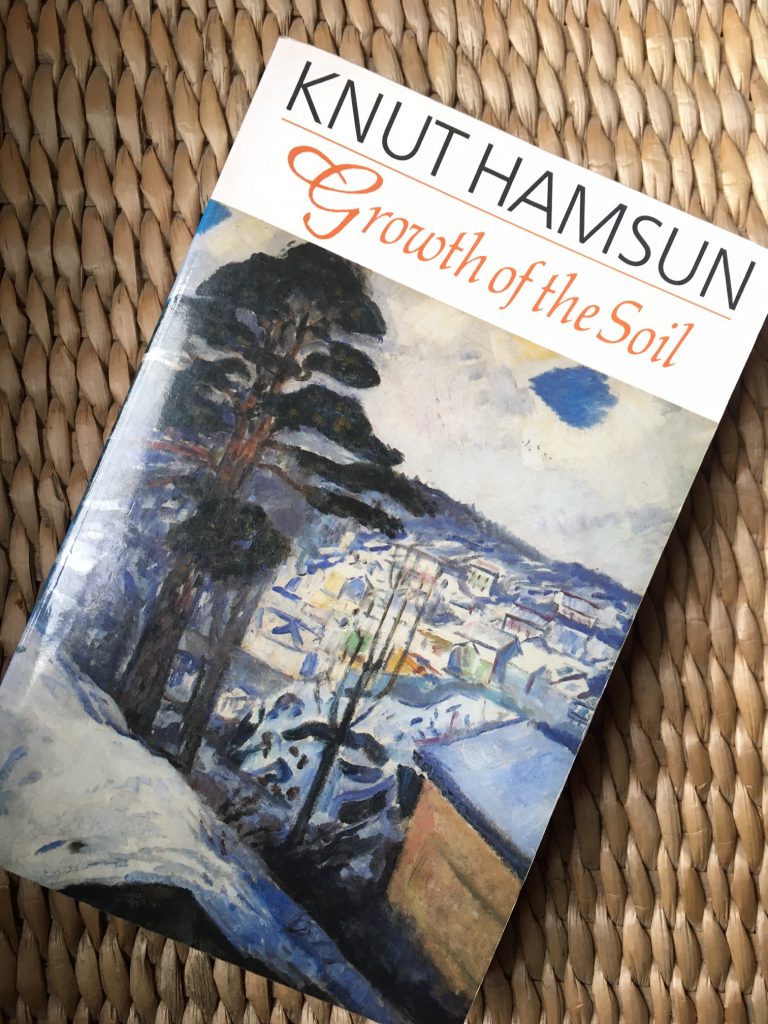
1. It helps to reach out

………even in a small way. Let others know that you’re finding it tough. Sometimes opening up to someone new can really help – not necessarily a counsellor, but someone you don’t normally have such conversations with. It can help you feel you’re not moaning all the time to the same people about the same old stuff.

Be compassionate to your own context
Image by Annie Spratt on Unsplash

2. Sometimes you need a few plans in place

Having a completely empty week that I could do what I liked in didn’t help me on this occasion – I just felt additional pressure to Use It Well. A couple of appointments, days out or even planned tasks, would have given me a bit of structure……….

3. …………and routine

Even on a holiday routine can sometimes be helpful; not necessarily the SAME routine, but something to create a scaffolding to hang your day on, such as getting outdoors at the start or end of the day.

online therapy set routines for wellbeing

4. Finding ANYTHING weird at the moment is normal

Even things you think are ‘just the same’. So much has changed in how we do things, that it’s affecting relationships, work, leisure. We’re more likely to notice BIG changes and consciously attend to them, but the subtle ones can be slightly out of our awareness and hence more destabilising.

5. Getting moving helps

Going for a walk is always useful for me; I had a looooong walk one day. Although it didn’t ‘make me feel happy’ something about the movement and being in a different space stirred me up and enabled me to clarify and voice some of the stuff that had been going round in my head and bugging me. Walking brought some kind of shift, and that’s what I needed. Swimming outside helped too, for different reasons. When I’m swimming in the sea, most of my focus is on not drowning or doing anything (too) risky and that makes it hard to ruminate – in fact, I’m too busy ‘being’ to notice how I’m feeling.

Lucy Hyde online therapy wellbeing sea swimming

6. A change of scene is good

It doesn’t have to be a trip abroad. Taking a train, a drive, a cycle to somewhere else gets you away from your usual space. In my case this meant getting away from the reminders of all the things I wasn’t getting done at home, freeing up a little bit of space in my head. The risk of catching Covid from the car club car was outweighed, for me, by the emotional benefits.

7. Small tasks or activities help your mental health

Even things like cleaning or tidying. Finding a way to bring it back to one thing and focusing on that rather than being overwhelmed by the enormity of everything that I wasn’t getting done enabled me to do something and to feel a small sense of achievement from that, even where it was just cleaning the bathroom. It helps if it’s something you can do mindfully, bringing your attention to what you’re doing as you’re doing it (I did a bit of berry-picking) rather than, for example, clearing a pile of paperwork where each piece can potentially lead to another ‘to-do’!

Lucy Hyde online therapy mindful tasks

8. Sometimes I just need to surrender to misery!

…….and to hide in bed. Fighting it can mean it takes longer to get through. For the morning of the day I spent in bed, I had a voice in my head telling me I was being lazy / needed to pull myself together / was wasting my week off, but once I’d made the decision to just stay there until I sensed that I wanted to get up, the relief of giving myself permission to collapse was – well, a relief. It was a turning point that seemed to free up more of my energy for the next day.

I’m not saying just letting go and being miserable is always the solution, but my hunch is that it’s more often helpful than you think – because there’s something about giving yourself permission that sends a really significant message to the part of you that might feel it’s not good enough.

Part of me continues to say “but you’ve had it easy during 2020 compared to many people”. I get that. I am grateful that my income hasn’t been affected, that I haven’t had to worry about home-schooling, that I have other privileges that many people don’t (not just my colour, but economics, class and where I live, too), that have meant that I haven’t been hit as hard as many people by this.

I can be grateful for all of that and I can also listen to that part of me that’s frightened and fed up and doesn’t know what’s going to happen…… and to let it know that I hear it. Expending energy on giving yourself a hard time for being a snowflake doesn’t help anyone else (or yourself).

If you can find the things that support you in difficult times you’ll have more energy available to support others.

Lucy Hyde therapist in Edinburgh

How should I behave coming out of lockdown?

In this blog I look at

  • WHY it’s normal to find coming out of lockdown difficult
  • WHAT might help you cope with the unexpected anxieties brought up by coming out of lockdown
  • HOW to disagree with people on the ‘best’ way to behave around COVID-19
How do I come out of lockdown (United Nations covid 19 response on Unsplash)
Image: UN Covid19 response on Unsplash

Coming out of lockdown – why it’s tricky!

Is it just me, or is coming out of lockdown harder than going in?

From this distance, looking back to mid-March, it seemed like we flicked a switch. One moment we were tootling along as normal, the next we were hiding behind closed doors. Of course it didn’t really happen like that – especially for those of us keeping an eye on what was going in the rest of the world and waiting for the tidal wave to hit – but there was some sense of the world changing overnight.

Alone or lonely Lucy Hyde online therapy (Anthony Tran on Unsplash)
Image: Anthony Tran on Unsplash

During lockdown I heard people saying “I can’t wait for things to get back to normal” and felt surprise that they thought that life was going to return to operating in the same way. And I heard at least as many people saying “I’m enjoying not having to see people/commute/be driven by fear-of-missing-out/etc”.

Perhaps THIS is a more difficult transition to negotiate. Somehow life was simpler when you were told the safest thing to do was stay indoors except for once-a-day ‘government-mandated exercise’. Suddenly there are variables. There’s choice. There’s using your own judgement – and therefore the fear of getting it wrong.

And there’s disagreeing with other people about what ‘right’ or ‘wrong’ is.

Personally, I don’t like conflict (some people do, honest). While I’m OK with challenging injustice, or speaking up in defence of causes I’m passionate about, I struggle where things are less clear-cut. In particular I’m uncomfortable when I feel differently, or have a different opinion, from someone who’s important to me. I get nervous, anxious, wobbly, and it’s only in recent years that I’ve realised that something in me believes that it’s OK to disagree with ‘them’ but not with ‘us’ – that this part of me feels scared and unsafe in such situations (probably terrified of being abandoned / rejected – yeah, that wee inner child again). So I’m constantly having to remind that part of me that it’s OK to disagree.

It’s OK to disagree. And still be loved, and loveable, and safe.

Coronavirus etiquette – who’s right and who’s wrong?

In terms of the current situation, there are many not-clear-cut areas. You think there are lots of ‘shoulds’ and ‘shouldnts’ but they’re all mythical really, a kind of collective hallucination about what is and isn’t ‘allowed’. For example…..some people are exempt from wearing masks and (as there’s no requirement to wear a label stating what your exemption is!) we have no way of knowing who they are.

When I did an internet search for ‘coronavirus legislation’ I found a lot of temporary changes to very old laws but nothing that told me about what was ‘right’ or ‘wrong’ in terms of my behaviour as an individual. A mid-July article on the BBC website showed that while the law in England stated that you can have a gathering of up to 30 people at home or anywhere outside, the government’s official guidance said you should only be socialising in groups of two households or six people. 🙄😤🤬 FFS!

Social distancing Lucy Hyde online counselling (evgeni tcherkasski on unsplash)
Image: Evgeni Tcherkasski on Unsplash

So very little has changed in terms of law – but, for many people a lot feels as if it has changed – and social ‘norms’, which we often allow to restrict us, are part of that.

There are very few absolutes on what is ‘right’ or ‘wrong’. Really, the only thing we can do is to take note of guidance and then make our own risk assessment – remembering that any decisions made in terms of guidance are made accounting for a number of variables, and they may not be given the same weight as you would give them. (An example is ‘getting the economy going’. My personal opinion is that the myth that ‘economic growth’ is the only thing that can sustain civilization, is partly what has led us to destroying more and more wilderness areas where viruses previously unknown to humans reside. My personal opinions influence my decisions.)

How do I stay safe around other people?

We risk assess all the time; it’s part of how we navigate our way through life. Risk assessing is how we adjust our behaviour when crossing the road, now that traffic is returning to non-lockdown levels, so we don’t get run over. But we don’t operate in a world where ‘not catching coronavirus’ is the only consideration and the only indicator of health. For some people, particularly people with significant physical health conditions, it may be a very important consideration, in which case staying away from other people completely might feel more important. But we need human connection, and for some of us the likely risk of dying of coronavirus needs to be weighed in the scales against risking losing important human connections.
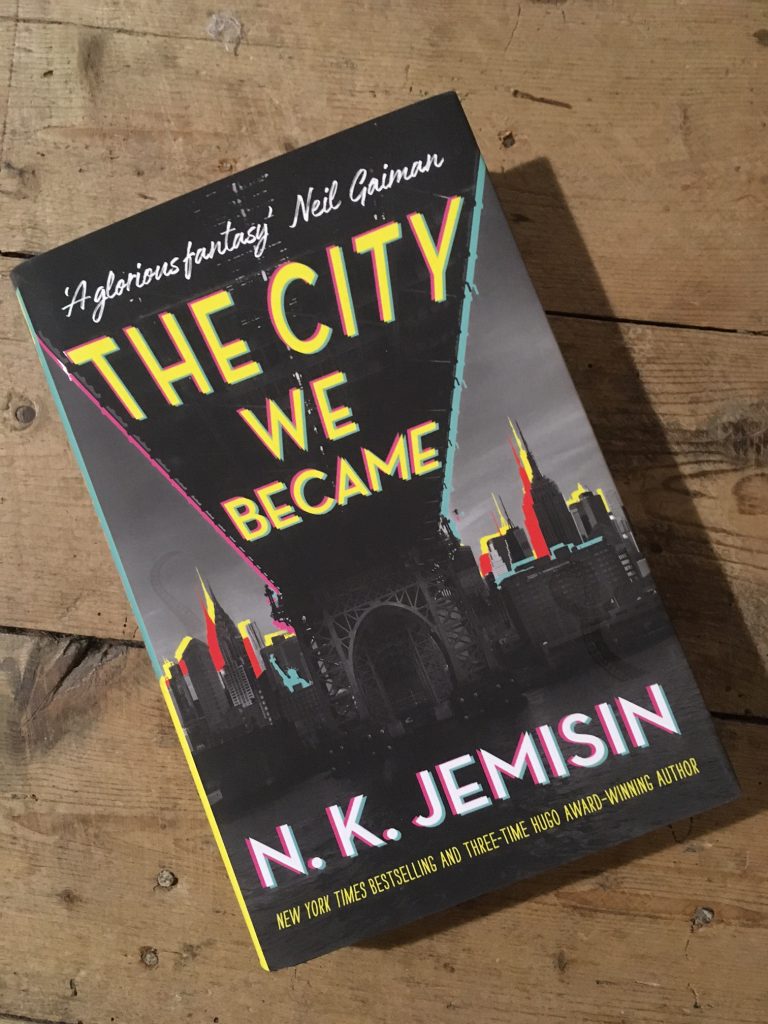
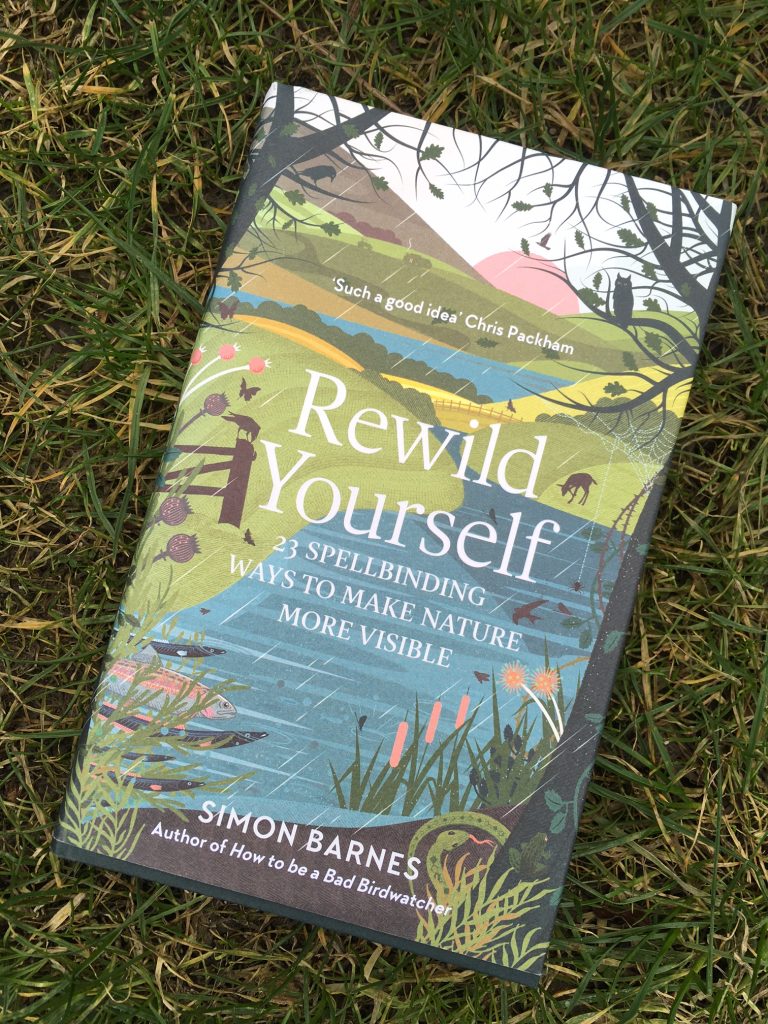
Risk assessments with regard to coronavirus need to take account of the risk to the other, of course. “I think there’s a low risk to me if I catch the virus, so I won’t bother with social distancing” doesn’t account for the risk to the person you’re not social distancing from. And so, into the mix comes the reality that you can’t control what others do, you can only operate in the world, and finding peace with the reality that others don’t have the same attitude as you is as important in navigating the coronavirus pandemic as it is in so many other aspects of your life.

Learn to disagree Lucy Hyde online counsellor (liwordson on nappy)
Image: liwordson on nappy

So it’s OK to disagree. And in some ways it’s easier to disagree with ‘the other’ – to tut at those people who don’t wear a mask on the bus, who don’t give you your 2 metre gap when you want to get past them. They’re ‘not like you’.

But it becomes more difficult to navigate when you disagree with people who are close to you – friends, family, loved ones.

For me there are two main aspects to this whole coming out of lockdown situation…………..

😷 managing your own anxiety, discomfort or incomprehensible feelings

😷 managing disagreement with your loved ones

Managing your own anxiety, discomfort or indefinable ‘weird’ feelings

A reminder: these are normal. It was normal as we went into lockdown to find it fucking difficult, and it’s normal as we come out.

Take a moment to pause and reflect on where you in your ‘pandemic journey’. There are so many unknowns. “What is the world going to look like in six months’ time? In 2021? For the rest of my life? Will we ever get back to where we were before I’d heard of coronavirus? Do I want to?” You’re likely to have your own particular stories around the pandemic – the cancelled opportunities. Death or serious illness of loved. Financial stressors. Loss of work. Relationship break ups. Loneliness.

Self reflection Lucy Hyde online counsellor (Ben White on unsplash)
Image: Ben White on Unsplash

Even positive experiences – like realising that you were more relaxed or happy during lockdown than you had been, like, forever – are likely to make you question your sense of who you are and who you want to be going forward. Questions and uncertainty are all around us. You may be experiencing fear, anxiety, depression, resentment, frustration, burn out…….

So what do you do with all that? Well….learn to live with it. No, I don’t mean ‘suck it up and get on with it’. I mean, literally, that there are things you can do to help you tolerate feelings that are difficult. You’re probably doing some of them already, or have some that you know work.

Think about what you know helps you in terms of self-care, such as

  • getting exercise 🏃🏽‍♀️
  • getting outside in nature 🌳
  • eating properly 🥗
  • good sleep hygiene 🛏
  • scheduling worry time (setting aside a time each day when you write out everything that’s bothering you) 😟
  • mindfulness, meditation or focusing exercises 🧘🏻‍♂️
  • talking to people 😀😀
  • relaxation exercises 😌
  • mindful activities – anything that occupies your brain in a soothing way, such as cooking, gardening, crafts, colouring 👨🏽‍🌾
Self care Lucy Hyde online therapy

If there’s something that you want to feel less anxious about getting back to, see if you can break it down into smaller steps that feel more manageable. No step is too small.

I wrote a blog previously about managing difficult feelings which might help you with this. My stress management blog will also help you with ideas for self-care.

Managing disagreements with your loved ones

Think about a particular relationship that feels like work at the moment. Then take a moment just to think about where that person might be in their ‘pandemic journey’, in a similar way to when I suggested you reflect on yours. Is it possible they might be in a different place from you?

Even if you can’t easily see they might feel differently from you, you need to find a way of accepting that they do. We can assume that our way is the ‘right’ way but – as mentioned earlier – there are few ‘absolutes’ and little to be gained by trying to persuade someone else into our point of view. It’s OK to love someone and have different views from them.

OK to disagree Lucy Hyde online therapist (tolu bamwo on nappy)
Image: Tolu Bamwo on Nappy

But sometimes acceptance isn’t enough – especially if there’s two of you, both thinking you are ‘right’, both unable to convince the other to agree.  

If you disagree with someone else you need to find a way to compromise rather than expending energy on worrying. THERE IS NO RIGHT OR WRONG ON THIS. You need to account for the feelings of the other person. You are going to have to learn to disagree so finding a way of doing this is the only way that you are going to be able to maintain relationships with people.

Much of this is about communication. Even when we think we talk a lot, we’re not necessarily communicating what is important or healthful to our relationships. Here’s some guidelines for effective communication:

1. Make space for the conversation

Tell that person that you’re finding things difficult and that you’d like to talk about it. Be explicit about what you want to talk about and try to avoid doing it in the heat of the moment. If you can’t get their buy-in then you may not be able to change things alone. If necessary share these guidelines with them.

2. FOCUS ON THE PARTICULAR ISSUE

Don’t get caught up in the all the myriad ways that you wind each other up. You want to find a solution to the current problem and reach a point of understanding. DON’T try and decide who is right/wrong or try and find ‘the truth’.

3. speak for yourself

Offer your thoughts, feelings and concerns and don’t give your perception or interpretation of the other person’s motives.

4. own your feelings

Say how you feel from your point of view (not how they ‘make’ you feel or even how Covid ‘makes’ you feel). “When this happens, I feel anxious” not “You make me anxious” – can you hear the difference? These are your feelings.

5. listen to the other’s thoughts, feelings & concerns

Hear their point of view without trying to change it. There needs to be room in this for you both to hear each other. Share the floor.

6. SLOOOW IT DOWN

Pause before you react to criticism. Slow down, listen to the pain in the other person and try and respond with empathy rather than becoming defensive. Notice when your reactions are coming from a place of fear. It’s not easy, but it can really help.

7. ASK FOR WHAT YOU WOULD LIKE AND ALLOW THE OTHER TO ASK FOR WHAT THEY WOULD LIKE

There may not be a perfect solution, but perhaps you can find a position of compromise.

8. oFFER EACH OTHER YOUR UNDERSTANDING OF WHAT’S BEEN AGREED

You both need to be clear that you know what you’ve agreed. Don’t agree to something that you won’t do, or that you will feel resentful about doing. Be assertive and make decisions on what you can control.

Talking it out Lucy Hyde online counsellor (taylor hernandez on unsplash)
Image: Taylor Hernandez on Unsplash

Finally – compassion, compassion, compassion. For yourself and for the other person.  No one is finding this easy and if they say they are they’re probably talking bollocks or at the very least kidding themselves.

We are living through a challenging period and allowing yourself to feel that it’s fucking hard is not only OK, but necessary.

Be kind Lucy Hyde online counselling

If you’re finding things hard to manage on your own, you might find it useful to speak to a counsellor to get some help. Sometimes just a few sessions can help you recognise that what you feel is normal and to reframe how you look at things. There are lots of counsellors working online who can support you to get back out in the world. Get in touch with me if you’d like to talk about having some therapy online, or would like to try walk and talk therapy outdoors, or visit one of the online directories like ACTO , Counselling Directory or Psychology Today

References:

Facemask exemptions

Managing conflict in relationships

COVID-19 explainer

How can I live with my white privilege (when I just want it to go away)?

I’ve been thinking a lot more about systemic racism and white privilege in the last few weeks, like many people.

Part of me feels that I have to somehow make an excuse, or apologise, for writing about this topic on my blog. I usually blog when I feel I have something to offer that may help people and this is no different; but I’m aware that there’s a bit of me that feels somehow I have no ‘right’ to speak about this. Which is – of course – bollocks, but it’s also relevant in terms of the discomfort that I feel in putting myself out there in discussing racism and what I think about it (and my role in it).

Lucy Hyde therapist thinking about my privilege

I guess I’m concerned that this is essentially a blog written for a white audience, and I’m afraid that it’ll give the impression that I’m a white therapist for white clients. I’m glad when anyone reads my blog – AND I’m aware that difference really exists (pretending that it doesn’t contributes to systemic racism).

I’m a white middle class person living in a fairly white area with little deprivation, and I’m writing this from my white middle class female perspective. I’ve made the assumption that this article is going to be more pertinent to other white people. And I’m aware that it is an assumption, and also that not every white person’s understanding of racism and privilege is the same.

White people experience white privilege differently
Image by John Simitopoulos on Unsplash

So here goes – this is where I am with my white-person experience right now, and if it feels relevant or helpful for one other person that’s 100% better than nothing.

My focus in this article is not whether white privilege and systemic racism exist (I’m taking that as given), or about what I, as someone who has white privilege, can do about them. Other people with a lot more experience than me have written and spoken more eloquently than I could about these and related topics (some links and information are at the end of this article). Where I consider my expertise to lie is in learning to manage my own uncomfortable feelings, and in my work as a counsellor supporting other people to manage theirs.

Protesting against systemic racism
Image by Joshua Koblin on Unsplash

When I told a (white) friend I was trying to write this blog, their response was “I wouldn’t go there if I were you. I just want it all to go away.” Other things I’ve heard: “I hate my white privilege.” “How can I give my white privilege back?”

Where I am with my white privilege at the moment is here: I believe the reason I struggle with my own relationship to it, is that I see myself as a good person, and part of me feels very strongly that in order to be OK I have to do whatever I can to make sure that other people are happy – and yet at some level I have been complicit in a system that doesn’t treat people as equal.

When I’m feeling under stress, or out of my comfort zone, or doing something I don’t feel fully confident and in command of, that ‘people-pleasing’ part is much more activated and takes a much bigger role in the overall ‘me’.

Black lives matter
Image by Lan Nguyen on Unsplash

So now, as I’m writing this in my quiet back room with birds cheeping outside and no immediate pressures, I’m able to get distance from that part and see it as an aspect which has good qualities (helps me form good relationships and build trust) and more difficult ones (pushes me to suppress my own needs in favour of others and to lose sight of where my responsibility ends and someone else’s begins).

But when I’m under stress I can feel as if the need to keep people happy is ALL OF ME and my ability to think from a more adult perspective is reduced and I just want to make the panicky feeling stop. When that happens I tend to respond from that panicked part which believes that if it can just solve a particular issue ‘everything will be OK’. The actual basis of that feeling is a magical belief rooted in childhood; what it is exactly doesn’t matter but it influences my behaviour with a need to be a good girl, to not be any bother, to behave well……

Basically my wee child belief “you have to stop other people being unhappy otherwise you’ll die” is coming up against a reality where I have ‘more’ than some people purely because of something I can’t do anything about and had no choice in…..the colour of my skin.

The colour of skin
Image by Joao Rafael on Unsplash

While child-based beliefs vary, a lot of us have some version of this which contributes to our urge to ‘be a good person’. On top of this most of us have some sense of our values and morals, which, whether we admit it or not, are connected to how we want people to see us.

So that child bit is quite near the surface and quite panicky, and, for me, that tends to push me in one of two directions to try and get rid of the feeling:

1. If I can convince myself this issue doesn’t exist (i.e. if I can convince myself that I’m not in a privileged position) then I will stop feeling ‘bad’.

2. If I can convince myself that I’ve fixed this issue (i.e. if I can ‘give my privilege away’) then I will stop feeling ‘bad’.

With the first I ignore the problem, or tell myself ‘I live in a very white area so there’s nothing I can do about this’, or look for occasions when I’ve experienced prejudice myself so that I can move into more of a victim role.

With the second, I start hand-wringing, looking for ‘quick fixes’ and ways in which I can ‘make it better’ somehow for black people / people of colour. As I write that, I can’t even imagine what that ‘make it better’ looks like but I recognise that it’s a ‘rescuing’ role, where I’m still in a position of power or privilege.

Drama triangle (Stephen Karpman)
Stephen Karpman’s ‘Drama triangle’

Both these options – if I was successful in getting there! – might help me feel better for a bit, but because they’re based on fallacies – that white privilege doesn’t exist or I can give it away – the feeling doesn’t have substance and won’t last. Essentially my focus is on ‘my feeling about the racism’ rather than racism itself.

So my alternative is to accept that I hold a position of privilege because I’m white, and that I really don’t fucking want to hold a position of privilege, and I didn’t bloody ask for this privilege that I’ve got AND I can’t get rid of it.

Confusion and messy feelings about white privilege
Image by Gordon Johnson on Pixabay

And that is very very uncomfortable. I’m not looking for sympathy, this is my understanding of how messy my feelings are around this.

My emotional experience isn’t going to be exactly the same as that of other white people, in the same way that my privilege isn’t exactly the same. But if you’re feeling uncomfortable about discussions about race and racism then it might be useful to think about how your own particular patterns of thinking or feeling relate to those emotions – e.g. if you recognise you have a strong inner critic, or struggle to feel good enough, or are anxious about conflict.  There is probably something of relevance in the points below for you, too.

Things to do to help manage the uncomfortable feelings that may be stirred in you in connection with racism and your white privilege:

1. DEVELOP TOLERANCE

Find a way to accept that the discomfort isn’t going to go away, and to develop your tolerance for it. Unless something very dramatic happens the racism which is embedded into our society isn’t going to be ‘cured’ in our lifetime. We can all contribute to improving things and reducing its impact but this stuff has been solidly entrenched over generations; we’re in this for the long haul. Rather than get away from it we need to learn to sit with it. ‘Inner work’ practices can be helpful for this: there’s an example of one, inner relationship focusing, in my blog “How to ease coronavirus related anxiety“.

Develop tolerance of uncomfortable feelings
Image by David Zawila on Unsplash

2. EDUCATE YOURSELF

This really helps – although you might imagine you’ll just feel worse about your part in this, learning more about it can help with stuck feelings. Learning more about the history of black people in the UK can help you to be more understanding about your unconscious biases; getting to grips with how people choose to identify themselves (e.g. why terms like BAME and BME are unpopular ) supports you to feel more competent in talking about this stuff.

Don’t add to the problem by asking black people to educate you; there’s lots of information willingly put out there already. I highly recommend Reni Eddo-Lodge’s book ‘Why I’m no longer talking to white people about race ’, a thoughtful and thought-provoking examination of race relations in the UK that is easy to read (though not necessarily an easy read). Ask your white friends for tips on relevant reading – Layla Saad recommends people to buddy up when they work through her book ‘Me and white supremacy ’

Educate yourself about racism

3. TALK TO PEOPLE

I’m not talking about calling out racism (that’s important, but it’s not the focus here). One of the things that we can do is have conversations about race, racism, white privilege. Speaking from recent experience, this really helps, and though it might feel like you’re not good enough for not being out in the streets protesting, it does make a difference. It’s a step forward from not talking about race, from pretending that difference doesn’t exist. It also helps you move from a stuck place to processing your own relationship with this massive topic.

Talk to another white friend or set up a small online group to chat. Sometimes it might seem you’re just getting into a cycle of ‘isn’t it awful’ to start off with which can feel unproductive, but by talking about how you feel and hearing from someone else about what’s important to you both, you can develop your understanding and you can build tolerance for the awkwardness you feel. I’m fortunate that part of my working life involves talking about this, as I run tutorials exploring anti-discriminatory practice in online counselling – so I’m used to managing my own fears of ‘getting it wrong’. But I’m aware that those conversations are more emotionally charged at the moment and so I give myself more space around them. 

Lucy Hyde counsellor talking helps
Image by Mabel Amber on Pixabay

4. SHIFT YOUR PERSPECTIVE

Expose yourself to different points of view. This is a great way of noticing what you assume is ‘normal’ and you can make it fun. I love escaping into a book so I read as many novels as I can by people who are from countries and cultures I don’t know much about. It doesn’t have to be fiction – it can be biography or whatever your preferred genre. The vast majority of published writers thus far are white men so that has tended to limit literary perspective throughout history. If reading isn’t your thing then there are films, music, podcasts and loads of TED talks, and (once we can get there again) theatre, art, etc……

Expose yourself to a different point of view
Image by Nahashiondiaz on Nappy

5. BE CAREFUL OF YOUR SOCIAL MEDIA USE

To be fair this is a rule for life! I love the opportunity that Facebook gives me to stay connected to people and to build friendships. But it tends to create a bubble of ‘people like us’ which has its downsides. It also encourages a polarisation of views into right or wrong, all or nothing, on the topic of #BlackLivesMatter as with other things.

Before you start getting into an argument take a moment to consider – are you just wanting to call someone out on racism or are you hoping to change their mind, and is that realistic? If you’re outraged or distressed by something someone’s shared – do a quick fact-check before sharing as it may well not be true.

There are lots of inflammatory stories that people like to share because they get a reaction, and the saying ‘there’s no smoke without fire’ is often NOT true.  Protect yourself, take a step back, do something else, phone a friend for a chat instead.

Be careful of social media
Image by Nordwood Themes on Unsplash

6. BE COMPASSIONATE (TO YOURSELF)

Understand how your context shapes you. I don’t mean try and make excuses for not having recognised your privilege before. I mean that you’re a product of your upbringing, experience and environment, and they all feed into the assumptions and biases you hold. You need to start where you are – even if you know the direction you want to go in.

Be compassionate to your own context
Image by Annie Spratt on Unsplash

7. DON’T FORGET SELF-CARE

You’re no use to your fellow human beings if you’re burning yourself out. So it’s necessary to look after yourself in this without that tipping over into avoidance of the discussion. Make use of the resources that you know support you when you need them, and if you need some ideas, check out my blog about stress management tips.

Make use of the selfcare resources that you know support you
Image by Tolu Bamwo on Nappy

I realise that one of my fears about publishing this piece is that I’ll be perceived to be pandering to white fragility or encouraging a ‘poor me’ view. That’s not my intention. As a therapist I’m generally encouraging people to find the balance of safety and challenge that feels tolerable for them. That perspective has a different heft in the conversation about systemic racism, where ‘doing nothing because it feels safer’ leads to more black people dying and more people of colour being disadvantaged.

Black Lives Matter protest
Image by Koshu Kunii on Unsplash

But I’m not talking about turning a blind eye here. Some of us choose to protest and be vocal, some of us aren’t there yet and may never be, and the phrase ‘keep your eye on the prize’ (a folk song from the US civil rights movement) seems pertinent here. It feels as if we are at a unique point of opportunity to make real change. Systemic racism is a problem created by white people that white people need to sort out, but it’s not going to happen quickly, so we need to build our resilience to make it happen.

This is a muscle we can exercise to make it stronger.

Black and white
Image by Aaron Blanco Tejedor on Unsplash

Further reading and resources:

Dealing with uncomfortable feelings: How to ease coronavirus related anxiety and The 8 steps of Focusing . Plus Finding your support .

Read more about white privilege at Is white privilege a useful concept in a UK context and My white friend asked me to explain white privilege .

Check your privilege (it’s not just about whiteness) with this Buzzfeed quiz .

Useful for exploring your unconscious biases are Overcoming unconscious and hidden biases and Implicit Association Tests . Please note that some tests ask for information about your own characteristics, some of which information in itself demonstrates bias, for example, binary options with regard to gender!

Read more about Why I’m no longer talking to white people about race and Me and white supremacy .

Here’s a neat little video about being an ally .

Read about things that you can do to help make the UK less racist .

If you’re on LinkedIn you can read Zoe Clement’s blog about calling out racism in your family .

Dr Dwight Turner talks about being a black man in therapy and a black therapist and writes about it too in Black steel in the hour of chaos .

Black Health Matters is a US-based article but much of what it says about the mental health impacts of racism holds true anywhere.

Good sources for human stories include Narratively and Gal-dem .

And finally, you can read about the drama triangle at Karpman Drama Triangle or simply by searching for ‘drama triangle’.

How to ease coronavirus-related anxiety

I’d like to introduce a simple practice that I believe can really help with managing uncomfortable feelings. It’s relevant in any situation, but perhaps particularly so at a time when more of us are dealing with unaccustomed feelings because of the unusual situation we’re in, with changes to routine, uncertainty, fears for ourselves or loved ones and other challenges. ‘Covid-19 anxiety’ is becoming a catch-all term for all sorts of ways in which our emotional and mental wellbeing may be thrown off balance.

overthinking counsellor East Lothian

Focusing, or ‘inner relationship focusing’, is a way of easing difficult feelings. Notice I don’t say ‘getting rid’ of feelings. I’m used to hearing from people that they want to get rid of feelings of anxiety or overwhelm or stress or despair. If that’s you, then you might not like it when I say that, in my experience – and I’m talking about my personal experience as well as professional – what really makes a difference is when you stop pushing those feelings away.

What is ‘Focusing’?

Inner relationship focusing is a term coined by Ann Weiser Cornell who worked with Eugene Gendlin , the originator of ‘Focusing’. Gene Gendlin studied under Carl Rogers, who founded person-centred therapy. Gendlin did extensive research in the 1950s and 60s, in an attempt to ascertain what made psychotherapy successful for some clients but less so for others. He found that clients who made positive lasting change had an innate ability to pause and check ‘inside themselves’, to access a body feel of their issues, an intuitive ‘felt sense’ which they could learn from for their personal development and growth.

Lucy Hyde therapy asking for what you want

Gendlin went on to develop a step-by-step process, by which clients who didn’t have this ability naturally, could be taught it – not only to get more from therapy, but to work on issues or challenges themselves. Ann Weiser Cornell , a student of Gendlin’s, went on to develop her inner relationship focusing from this.

How can Focusing help me?

Three years ago I uprooted myself from my home and moved with my partner to Italy for two years. Various circumstances led to this being possible, and for it to be the right time (post Brexit referendum but pre-Brexit!) to do it. What I thought in my conscious mind was: “It’s going to be a bit tricky in some ways but it’s a great opportunity and I’m lucky to be able to do it.”

Underneath all this – and mostly ignored and suppressed by me – was terror at the unknown and the fear that I wouldn’t be able to cope in a country where I didn’t speak the language and didn’t know how things worked.

You know what? It was bloody hard. I wasn’t working for the first time in my adult life. I didn’t speak the language. I didn’t have any friends or family close by, other than my partner. Everything was complicated by not knowing how things worked. BUT what made it harder was that, at the start, I didn’t allow myself to really feel how difficult and frightening all this stuff was, because I was living in the most beautiful city in the world and so I was ‘lucky’. I was aware there was a lot of discomfort, and that I wasn’t feeling happy and skippy – but also there were lots of times when I was excited and happy at the newness and beauty of it all – the ‘acceptable’ feelings.

managing conflicting feelings with online counselling

My feelings about the experience were unique to me – my own history and personal baggage lent their own twist – but even as I began to acknowledge that there were feelings of fear and loneliness and shame (at not having a wonderful time) I was ruminating about how to get rid of them, figuring out what I could busy myself with to get through them or away from them quickly.

I’d been trying Focusing on and off over the previous 3 or 4 years, while also in personal therapy – and it had become something I used to try and make sense of intense feelings (a kind of emotional first aid when things became extreme). Because I knew it could be helpful when I was feeling things were getting on top of me, when I was anxious or stressed or emotionally overwhelmed, I began doing it more.

What I discovered was interesting. Focusing didn’t make those feelings of anxiety or stress or shame or overwhelm go away. As I look back on my experience of living in Italy, I remember vividly that it was both terrible and wonderful, and that, even after two years, I was still at times experiencing anxiety, fear and shame.

But what I learned was that I could tolerate these feelings by sitting alongside them. I learned that I could hold both the despair and the delight – sometimes at the same time – without being consumed. I also discovered that sometimes these parts of me, that were trying to get my attention, had some wisdom to impart, which I could learn from. My friend and colleague’s phrase “This is an AFLOG” (another fucking learning opportunity for growth), was never so apt as then.

A part that often came up during this time was my inner critic. So I might find myself sitting with something that was telling me I just needed to get on with things. Often as I stayed with this, I realized that this part was really scared and young, and ‘getting busy’ was its way of pretending it was grown up. The critic or the busy bee was trying to protect me in the only way it knew how. I see people writing about ways to ‘shut the inner critic up’ and I feel sad for that treatment of what is essentially someone’s inner child, who just needs to be listened to, but is manifesting itself in a way that feels ‘too much’.

My experience of feeling out of place, not belonging and not knowing how to belong, has been invaluable to me in my work since then with clients. Developing my practice to offer online therapy (so that I could continue to work with English-speaking clients) was unexpectedly invaluable in the current setting where suddenly online counselling is all there is.

the growth you hold within - online therapy
AutoRinascita by Carlotta Baradel

But more valuable than both of these has been learning the ability to sit with the not-knowing, to feel anxious, or afraid, or not-good-enough – to be able to say to those parts of me “Oh hey there! I know you’re there. I know you’re feeling [whatever]” and to be able to carry on. Don’t get me wrong – that inner critic is still there (this time saying “you shouldn’t be feeling that your emotional wellbeing is affected by coronavirus lockdown because you’re an experienced online counselor”)…….but I’m able to recognise it pretty quickly and to give it space while still allowing the feelings of sadness and missing family and friends and routine.

How is Focusing different from meditation or mindfulness?

You might already be familiar with exercises or practices that can help you soothe yourself, like mindfulness or meditation. In which case you might not be interested in learning about another one! Focusing is much like mindfulness…..AND it’s more. Because with Focusing there’s the opportunity, not only to  notice when something comes into your awareness but, rather than letting it pass through, to form a relationship with it, listen to it – and learn from it. It can be soothing, it can be calming – and more too.

“If I let my anxiety in, won’t I become overwhelmed?”

Here’s a metaphor for you. Imagine that the anxiety (or feeling, or self-critical thought) is a little child wanting to get your attention. You ignore it. It shouts louder. You shut it in a cupboard. It really needs to scream now to be heard. And it’s going to carry on screaming even if you try and pretend it’s not there. What would happen if instead you let it out of the cupboard, take it in your arms and soothe it?

Listening to your inner child
Image by Paolo Stefanelli

That’s how I think about uncomfortable feelings. Whether it’s anxiety, feeling that you’re out of control, thinking that you’re not good enough – there’s a part of you that’s trying to get your attention, and the more you ignore it the harder it tries. The practice of inner relationship focusing is a way of giving those feelings some space without becoming overwhelmed by them, because it encourages you to sit alongside them – like you might sit with a friend – rather than be in them. I see these ‘parts’ as being rooted in myself at different times in my life – part of my ‘inner child’, if you will – and by spending time with them I’m doing some gentle parenting.

The easiest way of understanding what inner relationship focusing is, is to try it! I’ve included a video at the end of this blog that talks you through a very brief version of a focusing exercise so you can try it for yourself. If you want to skip the preamble, you can fast forward to about 2 minutes 20 seconds in, to the start of the exercise.

My own experience of Focusing encouraged me to learn more, initially with a Focusing Skills certificate, and I’m currently studying to become a Focusing Practitioner. I use a Focusing way of being in my work with clients, and I also teach them Focusing, if they’re interested, as a way of becoming more comfortable at ‘checking-in’ with themselves.

If you want to learn more about Focusing, including how to develop your own practice, check out the resources below.

Benefits of Focusing

Ann Weiser Cornell’s inner relationship focusing

Gene Gendlin’s six step guide to focusing

British Focusing Association

help with depression